

Why Is Roof Protection Essential During Home Renovations?
Roof protection is a commonly overlooked part of home renovations, but it’s crucial for maintaining the long-term health of your home. In Corning, NY, with its cold winters, wet springs, and wind-driven rain, damage to roofing materials can quickly escalate if preventive steps are ignored during remodeling.
Renovations may inadvertently expose roof surfaces to debris, increased foot traffic, or even structural strain. Without foresight, leaks or shingle damage can arise—even if the remodeling project does not directly involve the roof itself.
What Are the Biggest Risks to Roofs During Renovation?
Several hazards can threaten the condition of a roof when work is happening nearby or within the home:
- Falling construction debris: Tools, shingles, and siding scraps can crack or dislodge roof shingles.
- Excessive foot traffic: Roofers, electricians, or HVAC installers sometimes need to access the roof, increasing wear.
- Vibrations from demolition or construction: Heavy pounding from hammers or equipment can shake loose nails or sealant, especially on older roofs.
- Accidental spills: Paint or chemical runoff from upper-floor remodeling can stain or erode roofing materials.
In a climate like Corning’s, even small cracks or displaced shingles can lead to water infiltration, ice damming, or premature aging.
How Can Homeowners Prepare Before Renovation Starts?
Preparation is the surest defense. Addressing roof protection early can minimize both immediate damage and future repair costs.
- Walk the roof with the project manager—identify vulnerable spots or existing damage.
- Photograph roofing, gutters, and flashing for later comparison.
- Ensure attic spaces beneath renovation zones are clear of valuables or covered, since debris can filter down.
- Move or secure downspouts and gutters if construction will affect those areas.
- Clarify whether the work crew needs roof access, and clearly mark approved zones.
- Ask for a daily cleanup or tarp removal routine to avoid moisture getting trapped overnight, especially during the city’s damp seasons.
Should Protective Coverings Be Used?
In most cases, yes—temporary tarps or protective sheeting help shield vulnerable sections. Tarps are especially effective for protecting shingle roofs from direct impacts and runoff during work on upper stories or exterior renovations.
When choosing coverings:
- Heavy-duty, waterproof tarps offer superior protection against wet or snowy weather, which is common during shoulder seasons.
- Plywood sheets can shield areas below heavy demolition but should never be left on the roof during rain or high humidity, as they can trap moisture.
- Make sure coverings are secured without nailing or taping directly to shingles—use weights or non-damaging fasteners.
A common mistake is leaving covers on for more than a couple of days; this can trap moisture and speed up deterioration.
When Is It Necessary to Restrict Roof Access?
Unplanned traffic accelerates roof wear. In general, restrict access to only those who have a clear purpose for being on the roof and know how to distribute their weight safely.
Some tips:
- Lay out temporary walkways with planks or foam padding (never directly on the ridges of shingles) if repeat access is needed.
- Always avoid foot traffic in wet, icy, or snowy conditions—a frequent challenge in Corning's late fall and winter months.
If structural work below the roof is involved, such as removing load-bearing walls or adding skylights, review access points regularly. These areas are particularly at risk for hidden damage.
What Should Be Monitored During the Project?
Even with protections in place, ongoing vigilance prevents problems from being overlooked:
- Inspect the attic for daylight or moisture during the project, especially after heavy rain.
- Check roof surfaces visually from the ground each day for missing shingles, torn underlayment, or displaced flashing.
- Listen for drips or signs of leaks inside after work sessions.
- Confirm that discarded materials—nails, screws, scraps—are not accumulating on slopes or in gutters.
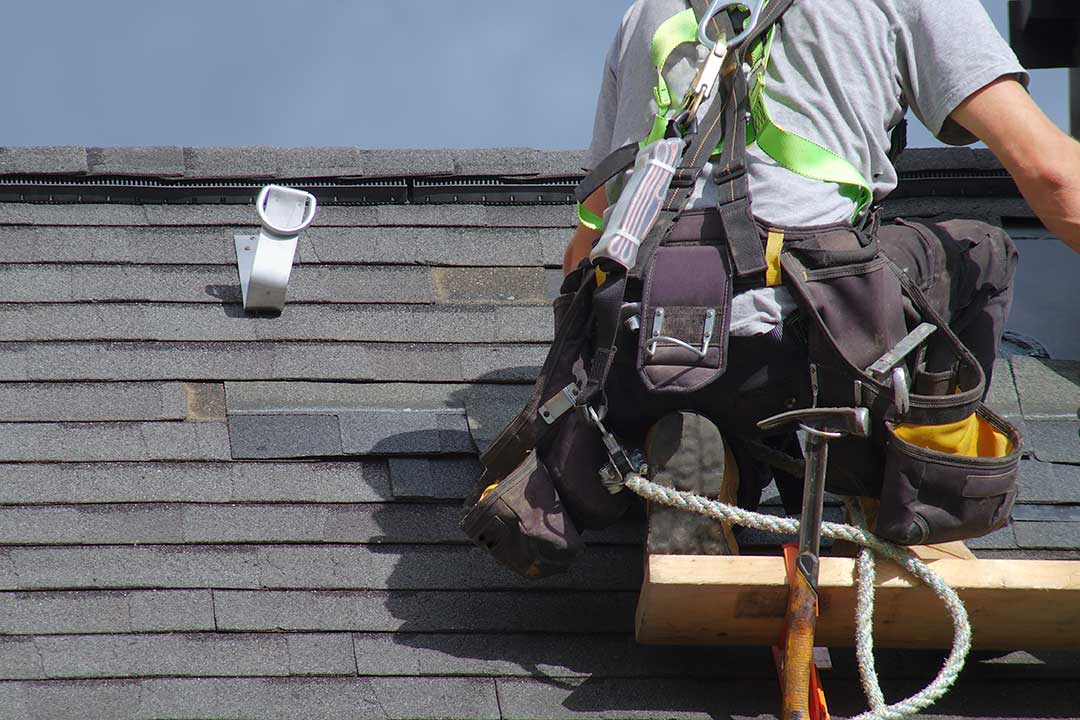
Project managers in Corning can be asked to include a quick roof and gutter inspection in daily checklists.
How Do Local Climate and Common Roofing Styles Influence Protection?
Roofs in the city often face fast changes in weather—sunny mornings can turn damp or windy by afternoon. Asphalt shingles and metal roofing are both typical for area homes, but each has particular vulnerabilities:
- Asphalt shingles can become brittle in cold temperatures, so avoid unnecessary movement or weight during freezing conditions.
- Metal roofs can be slippery in all weather and should not be covered with materials that could slide.
- Both types must stay free from standing snow or pooled water; any protective coverings should be removed before expected precipitation.
Paying attention to the unique weather patterns and materials used in Corning, rather than relying on generic advice, greatly improves roof longevity during remodeling.
What Are Common Misconceptions About Roof Protection During Renovation?
Some misconceptions can lead to avoidable damage:
- Believing that indoor-only projects cannot affect the roof (heavy vibrations travel further than expected).
- Thinking tarps are safe for weeks at a time (they’re emergency measures, not long-term solutions).
- Assuming modern roofing is immune to foot traffic damage.
Homeowners sometimes first notice problems months after renovation, making prompt inspection during and immediately after construction critical.
When Should Professional Assessment Be Considered?
Most minor projects can be protected with basic steps, but consider a qualified inspection if:
- There are pre-existing leaks or notable sagging before the job begins.
- Construction involves chimney removal, new dormers, or major additions close to the eaves or roofline.
- Local building regulations require certified assessments, particularly after significant structural changes.
Being proactive avoids the much higher expense and disruption of future emergency repairs.
