

What Is a Roof Tear-Off and Why Might It Be Needed?
A roof tear-off involves removing all existing layers of roofing down to the decking before installing a new roof. This process is often needed when the shingles are deteriorated, underlying layers are damaged, or when local regulations or warranty requirements prohibit multiple layers. In Corning, homes frequently have older architectural styles, so tear-offs may reveal issues hidden beneath previous materials, such as water intrusion or outdated decking.
Common Reasons for a Full Tear-Off in the Area
- Multiple shingle layers from previous re-roofs
- Rot or mold found in the decking due to periodic wet seasons
- Ice dam damage from cold, snowy winters
- Preparation for heavier roofing material, like slate or metal
How Long Does a Roof Tear-Off Take for Local Homes?
Most roof tear-offs in the city can be completed in one to three days, depending on factors like roof size, steepness, and complexity. Weather impacts timing—periods of rain or high winds can cause delays, which are common in the variable spring and fall months. For older homes with multiple layers, plan for an additional day, as extra labor is usually needed.
What Is the Typical Process?
The process generally follows a standard sequence, though small variations account for local housing styles:
1. Site Preparation
Before work starts, protective tarps or plywood are laid over landscaping, porches, and driveways. For homes with close neighbors or narrow lots, crews often coordinate to minimize debris spread.
2. Shingle and Underlayment Removal
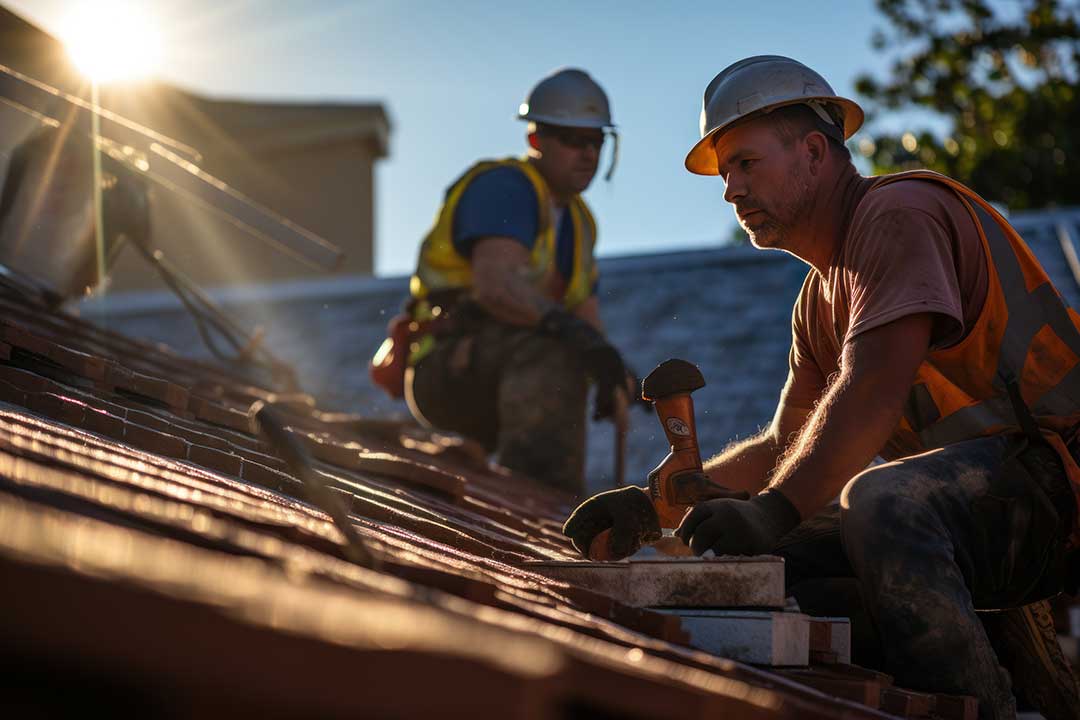
All roofing materials are pried up and carried down in sections. Expect some noise and vibration throughout the home, especially in attics and top-floor rooms.
3. Deck Inspection and Repair
Once the old material is gone, the roof decking is inspected closely. Common issues in Corning include water stains, soft spots from winter freeze-thaw cycles, and old nails embedded from previous layers. Any damaged wood is replaced at this stage.
4. Clean-Up and New Install Prep
The roof is swept clean, nails are removed, and debris is typically placed in a dumpster for disposal. Local waste management schedules sometimes affect when debris can be picked up, so placement may last a day or two.
What Should Homeowners Expect During the Tear-Off?
Expect significant noise, dust, and vibration inside the home while work is underway. Rooms on the upper floors may experience more disruption. Pets and sensitive electronics are best relocated for the day, if possible.
Examples of What Residents Often Notice
- Shingles and nails occasionally fall into attic spaces (especially in unfinished attics)
- Walking or driving may be temporarily disrupted if access is needed for equipment or debris
- Large tarps or bins may cover part of the yard or driveway during the project
How Is Debris Handled in the City?
Debris from the removal—shingles, felt, fasteners—is usually collected in a large roll-off dumpster. In some neighborhoods with strict street access, smaller bins or bags may be used and scheduled for multiple pickups. Residents in historic districts should expect extra care to avoid damaging mature trees, landscaping, or architectural details.
Considerations for Disposal
- Some older roofs may have materials that require special handling (for example, if asbestos-containing underlayments are discovered)
- Local solid waste rules require certain items be separated or disposed of through specific channels
Will Weather or Local Conditions Affect the Tear-Off?
Unpredictable weather plays a major role. During heavy rainfall or wind, safety protocols may halt work until conditions improve. Local crews often check weather forecasts carefully before starting, but rapid changes can still occur, especially during spring and autumn. In winter, projects are less common due to ice and snow, but urgent repairs may still occur following storms or freeze damage.
What Are Common Misconceptions About Roof Tear-Offs?
Many residents assume a tear-off will only take a few hours, but even a small home may need several days due to hidden repairs or weather. Another misconception is that debris cleanup is instantaneous; in reality, local trash services or dumpsters may not be cleared the same day, especially after busy storm periods. Some homeowners believe that all old roofing materials can simply be removed on their own, but local rules for disposal and potential for hazardous materials may require careful handling.
Practical Tips for Residents Preparing for a Tear-Off
- Move outdoor items like grills, potted plants, or patio furniture away from the house perimeter
- Cover items stored in unfinished attics with plastic or old sheets to catch dust and debris
- Inform neighbors about the dates, especially in closely-packed neighborhoods, to minimize inconvenience
- Plan parking arrangements, since driveways may be blocked during debris removal
- Be prepared for early morning start times, as crews often begin work at sunrise to maximize daylight
When Might Special Precautions Be Needed?
If the roof structure is particularly old or has known asbestos materials, specific precautions are necessary. Also, homes adjacent to historic districts may have additional guidelines regarding waste removal, working hours, and property protection. Always ensure access to the property is available and pets are safely contained during work hours.
