
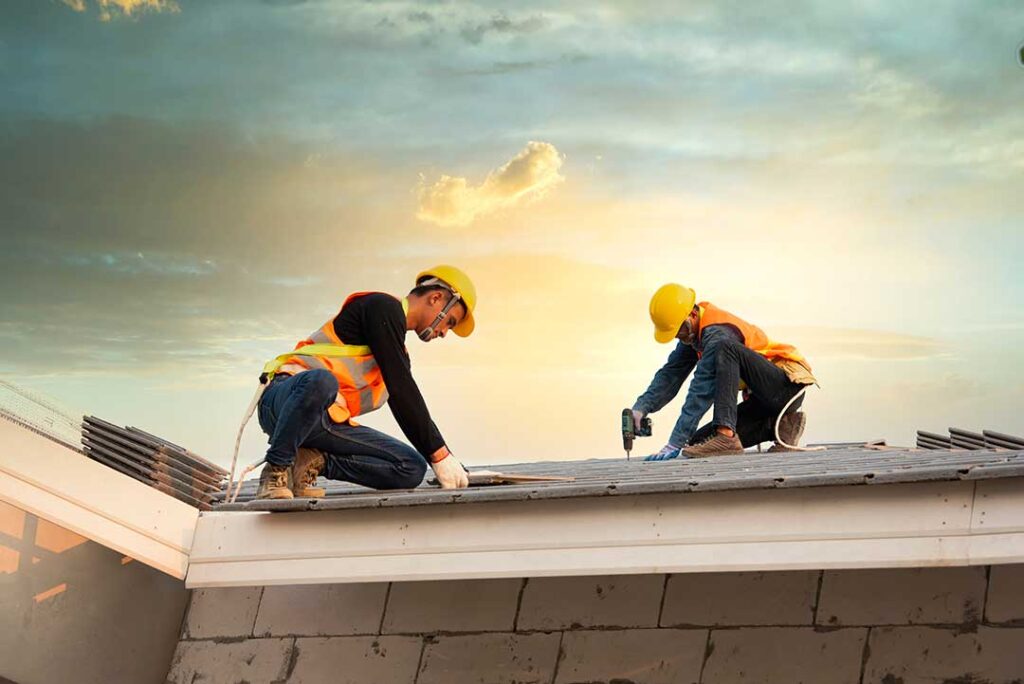
Roof coatings are liquid-applied materials designed to form a protective layer over an existing roofing surface. They can reduce water intrusion, reflect sunlight, seal minor surface flaws, and sometimes extend the useful life of a roof. They are not suitable for every roof, and they cannot turn a failing roof deck or severely deteriorated covering into a sound roof.
For homeowners in Corning, NY, the decision is shaped by more than the coating itself. Snow, freeze-thaw cycles, summer heat, shaded roof areas, roof pitch, and the condition of the underlying materials all affect whether a coating is a reasonable option.
What does a roof coating actually do?
A roof coating creates a continuous membrane over the existing roof surface. Depending on the product and roof type, it may help block water, reduce ultraviolet exposure, improve reflectivity, and seal small cracks or exposed fasteners.
Common coating categories include:
- Acrylic coatings, which are water-based and often reflective. They are generally used on roofs with adequate drainage because prolonged ponding water can shorten their service life.
- Silicone coatings, which usually handle standing water better than acrylic products. They can become slippery when wet and may attract dirt over time.
- Polyurethane coatings, which are often selected where greater abrasion or impact resistance is needed.
- Asphalt-based coatings, which are used on certain asphalt or built-up roofing systems and may provide additional weather protection.
The coating is only one part of the system. Cleaning, repairs, primers, reinforcement at seams, and proper thickness can matter just as much as the coating material.
What are the main advantages?
The strongest argument for a coating is that it may preserve a roof that is still fundamentally sound. A roof with aging surface wear but a stable deck, reliable drainage, and limited damage may benefit from a new protective layer.
Lower cost than complete replacement
In some situations, coating costs less than removing and replacing the entire roof. It can also reduce tear-off waste and limit disruption to the building. That does not mean coating is always inexpensive; surface preparation and repairs can represent a substantial portion of the work.
Added water resistance
A continuous coating can cover small surface openings and reinforce vulnerable areas around seams, fasteners, and penetrations. This may reduce the chance of minor leaks developing or recurring.
A coating does not replace proper flashing. Areas around chimneys, skylights, vent pipes, walls, and roof edges still require careful detailing.
Protection from sunlight and weathering
Reflective coatings can reduce the amount of solar heat absorbed by a roof during warm weather. They may also slow surface aging caused by ultraviolet exposure. This benefit is generally more noticeable on low-slope roofs with broad, exposed surfaces than on steep, heavily shaded residential roofs.
Potentially longer service life
A coating can sometimes add useful years to an existing roof by slowing deterioration. The actual extension depends on the roof’s age, material, drainage, installation quality, maintenance history, and local exposure.
In the Southern Tier climate, winter moisture and repeated freezing and thawing can be more influential than summer heat. A coating that looks effective in warm weather still needs to remain bonded and flexible through cold conditions.
Easier visual maintenance
Some coatings create a uniform surface that makes future cracks, punctures, or worn areas easier to identify. Certain systems can also be recoated later, provided the substrate remains compatible and in good condition.
What are the disadvantages and risks?
The biggest risk is using a coating to hide problems that require replacement. A coating is not a structural repair and cannot correct widespread rot, a failing roof deck, major movement, or severe deterioration.
It may not solve existing leaks
A leak can travel beneath roofing materials before appearing inside the building. Applying a membrane over the visible area without finding the actual entry point may leave the problem unresolved.
Coatings also do not automatically repair:
- Rotten decking
- Detached or badly damaged roofing materials
- Failed flashing
- Large open seams
- Extensive blistering
- Poorly designed drainage
- Structural sagging
These conditions need to be evaluated before coating is considered.
Preparation is demanding
Dirt, loose granules, algae, grease, moisture, and degraded materials can prevent proper adhesion. The roof may need washing, drying, scraping, fastening, patching, priming, and reinforcement before the coating is applied.
If the surface is damp or temperatures are unsuitable, the coating may cure poorly. In Corning, seasonal timing matters because cold temperatures, overnight frost, and unpredictable rain can interfere with installation and curing.
Ponding water remains a concern
A coating may improve water resistance, but it does not necessarily correct low spots. Water that remains on a roof for extended periods can stress seams and shorten the life of some coating systems.
Drainage should be examined separately. Blocked drains, undersized outlets, inadequate slope, and settlement may continue causing trouble beneath a new surface.
The surface may become slippery
Some coatings become slick when wet, frosted, or covered with algae. This is a safety concern on low-slope roofs that require occasional access, especially during fall and winter maintenance.
Roof access should not be treated casually. Wet leaves, ice, snow, and steep slopes can create serious fall hazards.
Future repairs may be more complicated
A coating can make it harder to identify the original roofing material or locate a concealed defect. Some coating types also limit which repair materials can be used later. Compatibility should be confirmed before different products are layered over one another.
Appearance and dirt pickup can change
Reflective coatings may discolor or collect airborne debris. A roof can also develop uneven areas if old repairs, trapped moisture, or variations in material condition show through the coating.
Which roofs are more suitable for coating?
Coating is usually more practical for low-slope or nearly flat roofs with a sound substrate and manageable surface wear. Common examples include certain modified-bitumen, built-up, metal, and membrane roofing systems.
A steep asphalt-shingle roof is not automatically a good candidate. Shingles rely on overlapping layers, granules, and carefully designed drainage. Applying a coating may trap moisture, interfere with the intended surface, add unnecessary weight, or void product requirements.
A roof should generally have:
- A structurally sound deck
- Limited moisture damage
- Working drainage
- Secure roofing materials
- Repairable seams and flashing
- A coating system compatible with the existing surface
The age of the roof matters, but condition matters more. A relatively old roof in stable condition may be a better candidate than a newer roof with widespread moisture damage.
Is a roof coating a good choice for snowy winters?
It can be, but winter performance depends on the entire roofing system. The coating must remain bonded during temperature swings, and the roof must be able to handle snow loads and meltwater without relying on the coating to solve drainage problems.
Snow removal can also damage a coated surface if tools scrape or puncture the membrane. Ice dams are a separate concern. A coating may reduce water entry through some surface flaws, but it does not correct inadequate insulation, poor attic ventilation, or roof-edge conditions that contribute to ice buildup.
After major storms, visual checks from the ground can help identify displaced materials, unusual sagging, or new staining indoors. Walking on a snowy or icy roof is hazardous and should not be attempted casually.
How should homeowners compare coating with replacement?
The comparison should focus on the roof’s remaining condition and expected service life, not only the immediate price.
Coating may make sense when:
- The roof is mostly intact.
- Leaks are limited and traceable.
- The deck is dry and stable.
- Drainage works properly.
- The existing material is compatible with the coating.
- The goal is to extend service life rather than create a brand-new roof.
Replacement is more appropriate when deterioration is widespread, moisture has reached the deck, the roof has repeated unresolved leaks, or the underlying system is near the end of its dependable life.
For steep roofs, damaged structures, suspected rot, or conditions involving electrical equipment, safe evaluation may require a qualified roofing professional. That is a safety issue rather than a sales recommendation.
What questions should be answered before coating?
Before work begins, the most useful questions are practical:
- What roofing material is already in place?
- Where is moisture entering, if leaks exist?
- Has the roof deck been checked for deterioration?
- How will seams, edges, penetrations, and flashing be treated?
- Does the coating tolerate standing water?
- What temperature and weather conditions are needed for application?
- How will snow, ice, and future maintenance affect the surface?
- What repairs are needed before the coating is applied?
- How will future patching be handled?
A roof coating can be a sensible maintenance strategy when it is matched to the roof and applied over a sound, properly prepared surface. It becomes a poor investment when it is used to cover structural damage, unresolved drainage problems, or a roof that already requires replacement.
