
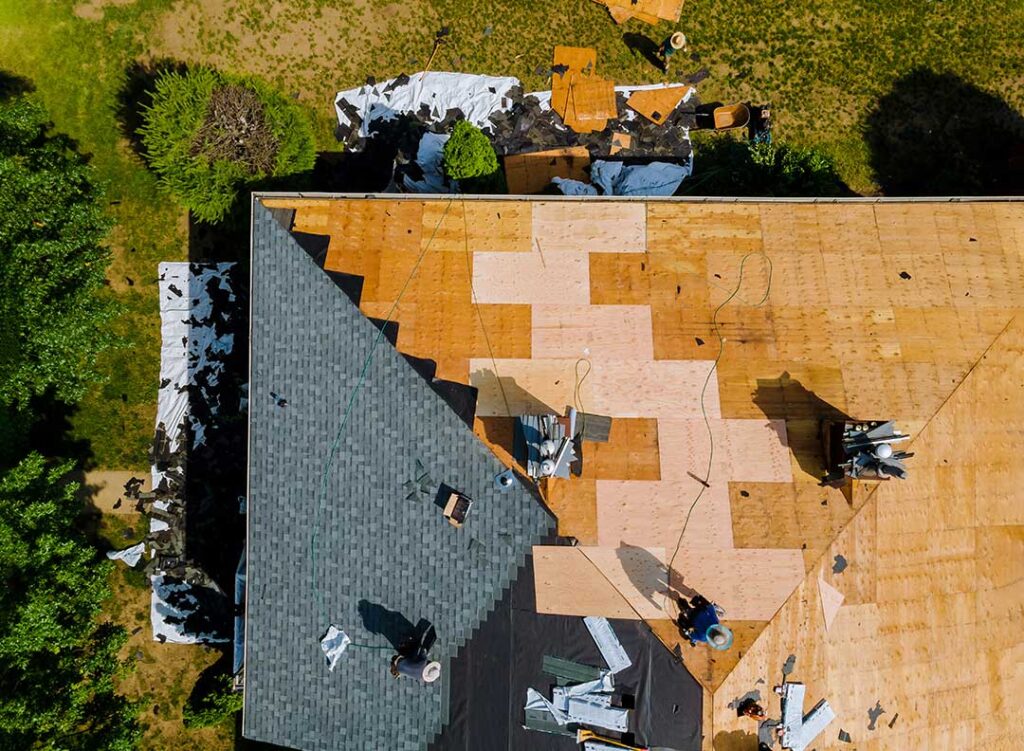
Walking on a roof can cause serious injury and can damage shingles, flashing, gutters, and roof structure. For residents of Corning, NY, changing weather, winter moisture, moss, steep rooflines, and older housing can make roof access especially hazardous. In many situations, the safest choice is to inspect the roof from the ground or use a qualified, properly equipped person for work that requires climbing.
Is it safe to walk on a roof?
Sometimes, but only under limited conditions. A roof may support a person’s weight without immediately collapsing, yet that does not make it safe to walk on. The surface may be slippery, brittle, steep, weak, or damaged in ways that are not visible from the ground.
Avoid walking on a roof if:
- It is wet, icy, frosted, snow-covered, or visibly damp.
- Wind is strong enough to affect balance or move a ladder.
- The roof has a steep pitch or multiple levels.
- Shingles are curling, loose, cracked, missing, or covered with algae or moss.
- There are skylights, fragile panels, loose trim, or areas with suspected water damage.
- You do not have proper fall protection and ladder equipment.
- You feel uncertain about the roof’s condition or your ability to move safely.
A roof can also be unsafe after heavy rain, freezing temperatures, or a rapid thaw. Moisture may collect beneath shingles or around roof edges, while frost can remain even when the air feels relatively mild.
What should be checked before climbing?
The safest roof inspection begins on the ground. Walk around the building and look for visible signs of trouble before considering ladder access.
Check for:
- Missing or displaced shingles
- Sagging roof sections
- Dark stains or water marks beneath roof edges
- Damaged gutters, downspouts, or fascia
- Tree limbs touching the roof
- Loose chimney flashing or exposed fasteners
- Ice buildup along the eaves
- Moss or algae that may indicate prolonged moisture
- Utility lines or other overhead obstacles near the ladder location
Inside the home, inspect the attic or upper ceilings for damp insulation, staining, musty odors, or daylight showing through the roof deck. These signs may indicate that climbing onto the roof could disturb already-weakened materials.
Do not use a ladder against gutters, downspouts, skylights, plastic trim, or other components that are not designed to support it.
How should a ladder be positioned?
A ladder is often more dangerous than the roof itself if it is placed incorrectly. Set it on firm, level ground and keep the base away from loose soil, ice, mud, and uneven landscaping.
For a leaning ladder:
- Use a ladder long enough to extend above the roof edge.
- Keep the top resting against a solid surface, not a gutter or fragile trim.
- Maintain a stable angle rather than setting it nearly vertical.
- Secure the ladder whenever possible to prevent sliding or shifting.
- Keep the area below clear of children, pets, tools, and foot traffic.
- Maintain three points of contact while climbing: two hands and one foot, or two feet and one hand.
Never carry bulky tools while climbing. Use a tool belt or raise equipment after reaching a secure position. Do not climb while holding items that block the view of the ladder or roof edge.
Snow, ice, and frozen ground create additional problems during colder months. A ladder may appear stable but slide as weight is transferred onto it. If winter conditions are present, postpone access rather than trying to remove snow or ice while elevated.
Where is it safest to place your feet?
If walking is unavoidable on a low-slope roof, place each foot carefully on areas designed to carry weight. For asphalt shingles, the lower portions of the shingle surface are generally less vulnerable than the exposed tabs, but stepping directly on shingles can still loosen, crack, or scuff them.
Use slow, deliberate movements:
- Face the roof rather than walking sideways or backward.
- Keep your center of gravity low.
- Take small steps and test each area before shifting your weight.
- Keep your body away from the roof edge.
- Avoid stepping on ridge caps, flashing, valleys, skylights, vents, and gutters.
- Do not jump across roof sections or step over gaps.
- Keep tools and loose materials from sliding downhill.
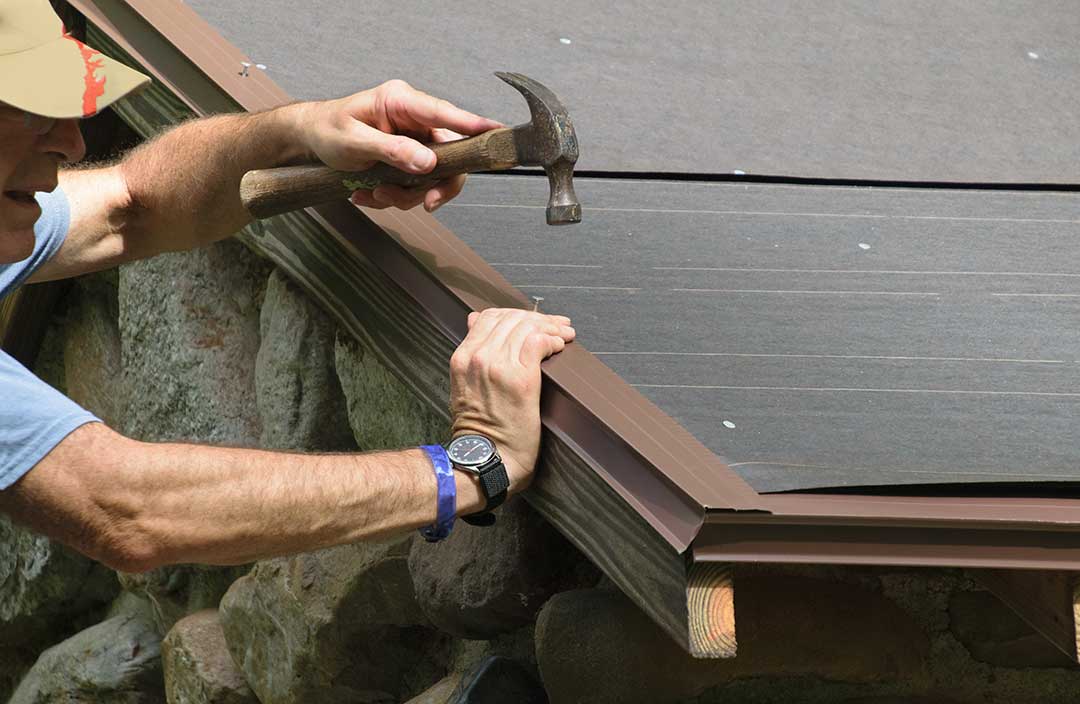
Roof valleys and areas around chimneys may look solid but often contain flashing and layered materials that can be damaged by concentrated weight. The same applies to roof edges, where sheathing may extend beyond the supporting wall.
Never step on a skylight unless it is clearly designed and rated for foot traffic. Many skylights can look like solid glass or plastic while being unable to support a person.
Does footwear make a difference?
Yes. Wear clean, soft-soled footwear with good traction. Shoes should be in good condition, free of mud, oil, loose gravel, and wet leaves. Heavy work boots with worn or hard soles may provide less grip than expected.
Avoid walking on a roof in:
- Smooth-soled shoes
- Sandals or open footwear
- Wet footwear
- Shoes with packed mud or snow in the tread
- Loose footwear that can slip off
Even good footwear cannot make an icy, moss-covered, or steep roof safe. Traction aids should not be treated as a substitute for fall protection or sound judgment.
What fall protection is needed?
A roof edge can be difficult to judge, especially on roofs with dormers, porches, additions, or changes in pitch. Fall protection may include properly installed guardrails, a personal fall-arrest system, secure anchorage, and equipment suited to the roof design.
Improvised methods are unsafe. Do not tie a rope around a chimney, vent pipe, tree branch, or vehicle and assume it will stop a fall. A rope without appropriate harnesses, anchor points, clearance, and training can create a false sense of security.
For many homeowners, the equipment and setup needed for safe roof access are more complex than expected. If the roof is steep, high, fragile, icy, or structurally questionable, remaining on the ground is the safer decision.
Can roof damage be caused by walking on shingles?
Yes. Foot traffic can shorten the life of roofing materials even when no immediate damage is visible. Shingles may lose protective granules, crack at the edges, or become loosened around fasteners. Repeated walking can also damage flashing and sealant around penetrations.
Damage is more likely when shingles are:
- Older and brittle
- Hot from direct summer sun
- Cold and stiff
- Recently installed but not fully settled
- Covered with moss, algae, or debris
- Already curled or lifting
After walking on a roof, granules may appear in gutters or on the ground. That does not always prove serious damage, but it is a reason to inspect the surface carefully rather than assuming everything is fine.
What are safer alternatives to climbing?
Many common checks can be completed from the ground. Use binoculars to examine shingles, vents, flashing, and gutters. Look from upper windows or a nearby safe elevation. Check attic spaces for moisture and inspect downspouts after rainfall to see whether water is draining properly.
For routine cleaning, repairs, or inspections involving steep slopes, fragile materials, snow, ice, or uncertain structural conditions, qualified equipment and fall protection are necessary. A person should not climb simply to confirm a problem that can be documented from below.
The safest rule is straightforward: if the roof is slippery, steep, damaged, weather-exposed, or difficult to reach, do not walk on it. A roof inspection is never worth a preventable fall or additional damage to the home.
