
What Is Roof Decking and Why Does It Matter?
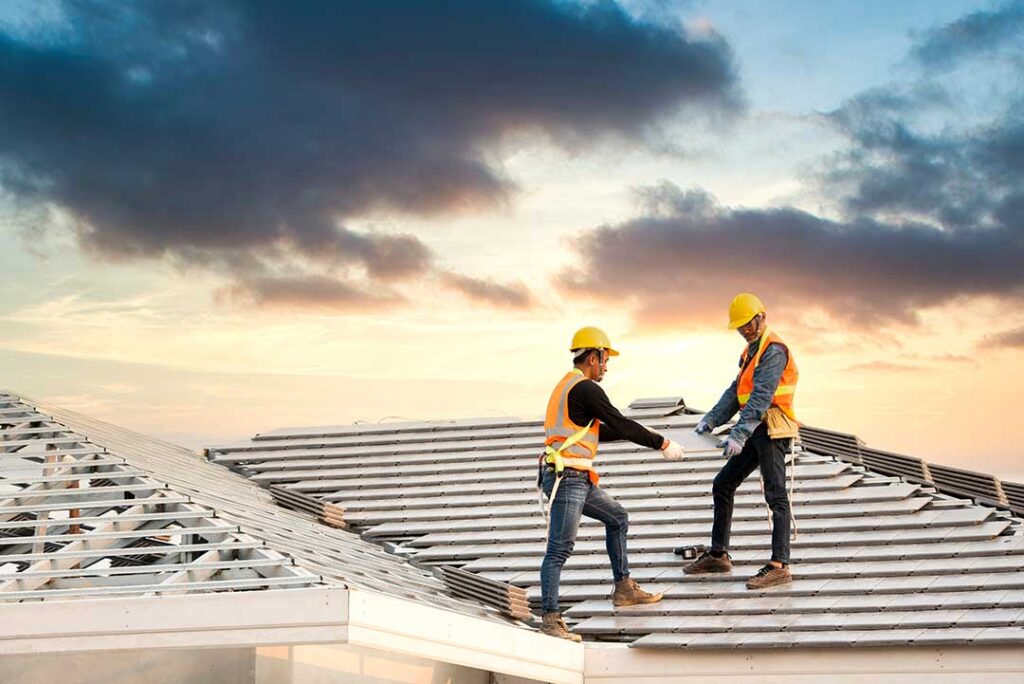
Roof decking is the structural foundation beneath your shingles or roofing material. In homes across Corning, NY, decking is typically made from plywood or oriented strand board (OSB). This surface spans rafters or trusses and supports everything above, from underlayment to shingles. If the decking deteriorates, the entire roofing system can be compromised. Problems often go unnoticed because the decking isn’t visible without removing surface materials.
What Are the Early Signs of Roof Decking Problems?
Early signs often come from subtle changes inside or outside the home. Residents in the area should watch for:
- Sagging or uneven areas on the roof, visible from the street or yard
- Musty smells or unexplained dampness in attic spaces
- Ceilings or walls that develop staining, peeling paint, or bulging drywall
Even a single interior water stain after a storm could suggest moisture is seeping through compromised decking, not just the surface shingles.
How Do Seasonal Changes in Corning Affect Roof Decking?
Seasonal swings in temperature and precipitation, as well as freeze-thaw cycles, can stress roof structures throughout the Finger Lakes region. Winters bring snow and ice buildup, while spring and summer may introduce heavy rains and humidity. Moisture getting trapped in or under roofing layers increases decking’s risk of rot, mold, or swelling. Over the years, thermal expansion and contraction may also loosen fasteners and seams, creating gaps for water.
Can I Spot Decking Issues from the Ground?
Some clues are visible without climbing a ladder:
- Wavy or uneven rooflines, especially after winter
- Noticeable dips between rafters or ridges
- Shingles that suddenly appear misaligned or bumpy
Icicles hanging from eaves in winter may indicate above-average attic heat loss—or inadequate ventilation—that speeds up decking decay. Likewise, moss or algae streaks often point to persistent moisture, which can affect decking below.
What Do Attic Inspections Reveal?
Attic checks—especially during or soon after rain—can reveal decking trouble that exteriors may hide. Warning signs from inside the attic include:
- Water stains, black spots, or signs of mildew on the underside of wood panels
- Soft, spongy, or crumbling wood if lightly pressed
- Rusted nails or fasteners, indicating trapped moisture
Regularly inspecting attic corners and looking around vent pipes or chimneys is helpful, as these are areas where leaks may first appear.
Are There Less Obvious Symptoms Many People Miss?
Roof decking issues sometimes show up in indirect ways:
- Extremely drafty rooms near the roofline, as compromised decking can disturb effective insulation
- Unexplained increases in heating costs, which could hint at air leaks or wet insulation caused by hidden leaks
- Unusual sounds during high winds—creaking, popping, or cracking
Ignoring minor oddities can let a small problem grow, so it’s worth investigating new noises or temperature swings.
Why Are Roof Leaks Not Always Shingle Problems?
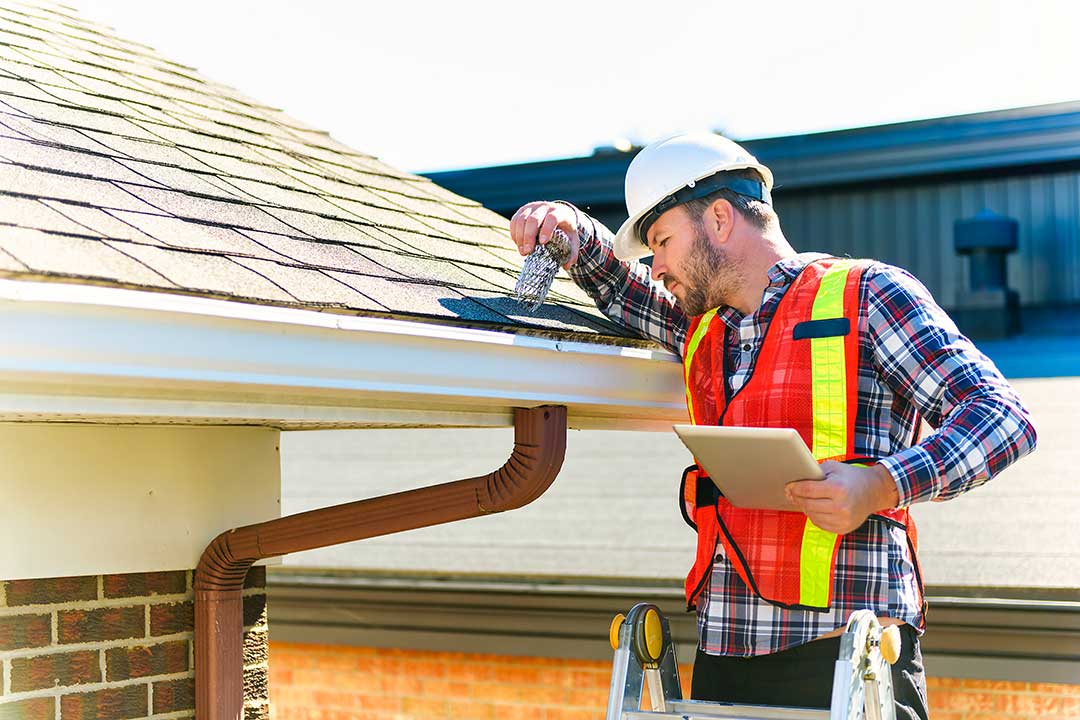
While many homeowners assume replacing missing shingles solves a leak, the underlying surface may already be damaged. Shingles mainly serve as a water shedding layer, not a waterproof barrier. If water sneaks beneath, it can rot the decking for months before making its way to interior ceilings. In older homes across the city, previous repairs may have covered—but not corrected—underlying deck degradation.
What Should Local Residents Check After Severe Storms?
After windstorms or periods of heavy rain, area households should:
- Look for new or worsening dips in the roof from outside
- Check the attic for new water stains or drips, especially near vents, joints, or the eaves
- Note any debris piling up in gutters—bits of shingle or wood fragments can suggest bigger underlying issues
Quick checks help spot problems before the next season brings snow or ice.
When Does Discolored, Warped, or Soft Decking Mean Major Trouble?
Any visible signs of discoloration spreading across decking panels, wood that flakes apart upon touch, or sections that feel spongy usually signal advanced moisture damage. In these cases, the affected area may have lost the structural integrity needed to support the rooftop—and further decay could lead to partial collapse or sudden leaks.
Can Roof Decking Problems Be Fixed Without Replacing Everything?
Not every issue requires a full roof replacement. Small, isolated decking patches may be replaced alongside damaged shingles, especially if caught early. However, widespread softness, mold, or signs of repeated leaks call for more thorough repairs. In the city’s climate, ignoring early signs can allow structural problems to worsen quickly.
Are There Misconceptions About Decking Damage in the Community?
Some residents expect that a nice appearance of shingles or tiles means everything underneath is sound. In reality, leaks, rot, or weakened decking can exist even if the surface materials look fresh. Others believe that minor leaks or winter ice dams aren’t urgent, when in fact, each episode can hasten decking deterioration.
What Preventive Habits Help Protect Roof Decking?
Corning area households can help prevent Adirondack weather from taking a toll by:
- Keeping gutters clean to avoid overflow and ice dams
- Ensuring attic insulation and ventilation are adequate for local climate swings
- Promptly addressing minor leaks or ceiling stains—even small issues can worsen decking quickly
Regular visual checks, prompt action after storms, and maintaining proper attic conditions all help extend the lifespan of roof decking in local homes.
