
What Roofing Materials Can Be Recycled?
Most residential roofs in Corning, NY use asphalt shingles, metal panels, slate, clay tiles, or wood shakes. Each has unique recycling options:
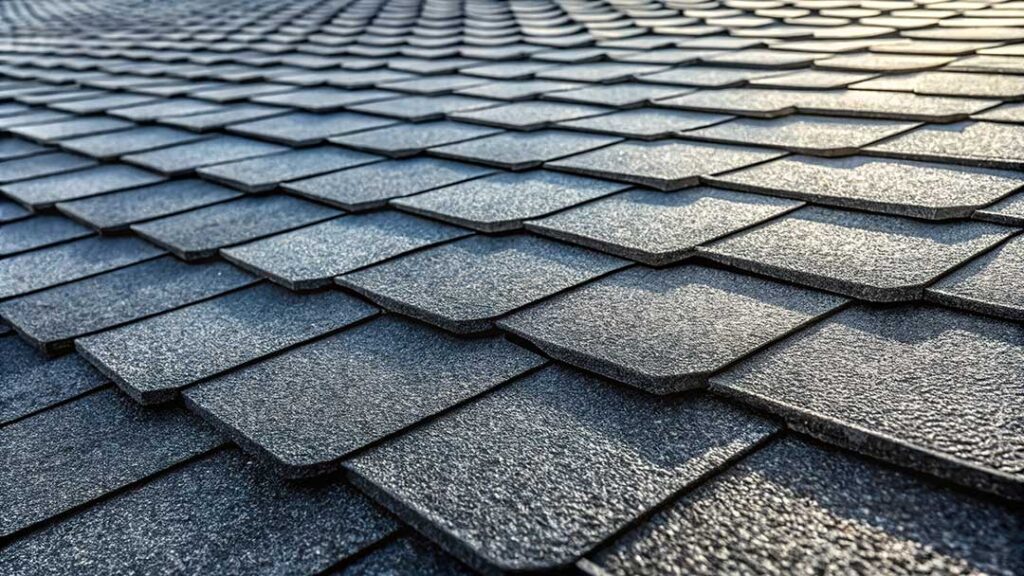
- Asphalt shingles can often be ground down for use in road asphalt or construction fill.
- Metal roofing (steel, aluminum, copper) is highly recyclable and typically accepted at metal recycling centers.
- Slate and clay tiles are less commonly recycled locally but can sometimes be repurposed for landscaping or building projects.
- Wood shakes may be composted or reused, but painted or treated wood can create disposal issues.
Understanding which material you have is the first step. Mixed loads of demolition debris or contamination—like underlayment or nails—may complicate recycling, so separating materials is helpful.
How Are Old Asphalt Shingles Recycled?
Asphalt shingles, the most common roofing material in the region, are frequently recycled into road paving and patch materials.
- Shingles are collected, then sorted to remove debris.
- Large magnets extract nails and flashing.
- The shingles are then ground down.
- The recycled product is used as an additive in hot mix asphalt for highways or as construction fill.
Households can ask their contractor if shingle recycling is available or check with the Steuben County solid waste program for guidance. Residents who remove shingles themselves should consider proper handling, as dust and debris can be messy.
Where Can Corning Residents Recycle Roofing Materials?
Local recycling options depend on both the material type and the current municipal recycling policy. In Corning, several approaches are possible:
- *Transfer stations* and public works yards occasionally accept clean roofing material for recycling, but advance confirmation is necessary.
- For metal roofing, many local scrap yards or recycling drop-offs will accept panels, flashing, and metal pieces if they are separated from non-metal waste.
- Used slate or clay tiles may find a new life through local reuse networks, community “freecycle” pages, or creative reuse organizations.
- Treated or painted wood shakes normally require landfill disposal due to chemical treatments.
Check current area guidelines, as recycling policies and available facilities can change. Never place roofing debris in curbside recycling bins.
Is Recycling Roofing Materials Safe for Homeowners?
Handling old roofing materials can be safe with the right preparation, but there are hazards:
- Dust from old shingles can contain fiberglass or, in rare older roofs, asbestos. Wear respiratory protection and gloves.
- Nails, sharp edges, and heavy bundles present physical injury risks.
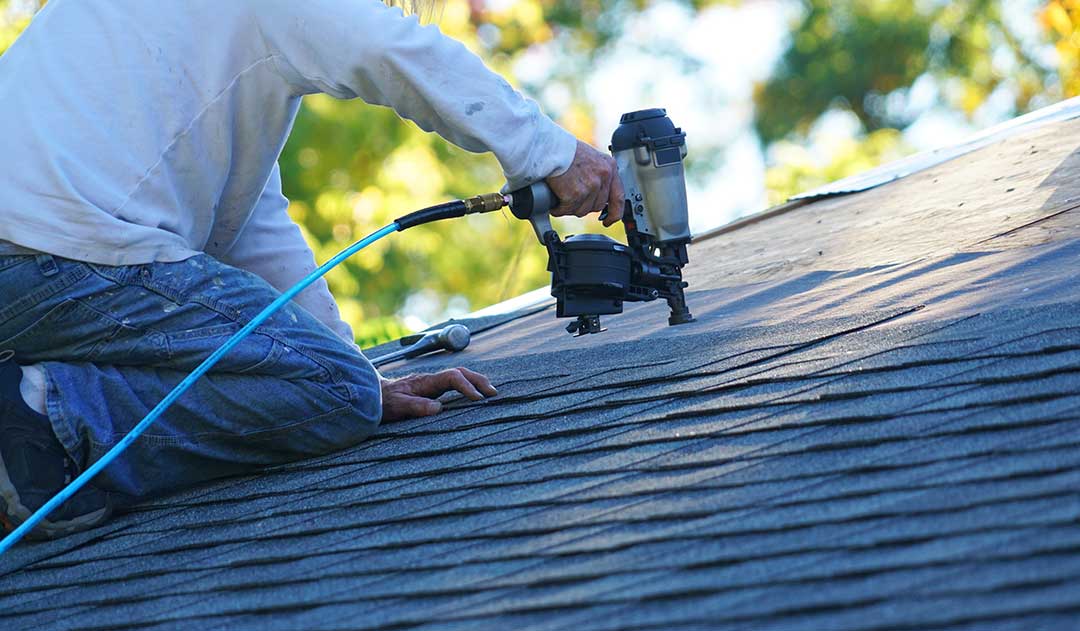
- Material can be slippery or unstable, especially on a roof.
If a project involves suspected asbestos-containing materials—most likely in roofs installed before the 1980s—pause work and follow state guidance for hazardous materials. Standard shingle recycling is generally safe with proper basic protective gear.
Are There Alternatives to Recycling?
Some roofing materials can be reused:
- Intact slate, clay tiles, and decent-condition metal panels may be donated for architectural salvage.
- Wood shakes, if untreated, are sometimes chipped for mulch or firewood.
However, structural wear, coatings, or damage will limit these options. If recycling and reuse aren’t possible, responsible disposal at local approved facilities is the next step.
What Happens if Roofing Waste Is Not Properly Managed?
Discarding roofing material in ordinary trash leads to landfill buildup and can cause environmental issues. Unmanaged debris may:
- Contaminate soil or waterways, especially if shingles contain old tar or coatings.
- Attract fines if dumped illegally, as all construction debris in the community must follow local disposal rules.
- Cause injuries or property damage when not contained.
Responsible sorting, recycling when possible, and proper disposal protect both local natural resources and community health.
What Should You Know Before Starting a Roof Removal Project?
Before beginning a roofing project, check with the city or the local solid waste department about current policies. Plan for the following:
- Separate recyclable from non-recyclable materials as you work.
- Use an appropriate dumpster or haul debris directly to the accepted facility.
- Ask about requirements for documentation, load weights, or proof of residency at municipal stations.
Advance planning ensures recycling happens smoothly, avoids last-minute surprises, and helps keep the community cleaner. Timing your project for dry weather and safe access also eases removal and transport of materials.
