
A new roof can improve a home’s value, but its effect is rarely measured by the roof cost alone. In Corning, NY, buyers and appraisers typically look at the roof as part of the property’s overall condition, expected maintenance needs, energy performance, and protection from local weather.
A roof that is clearly near the end of its useful life can reduce buyer confidence. A sound, well-documented replacement can make the home easier to evaluate and may help prevent a buyer from negotiating heavily over expected repairs.
Does a new roof automatically increase a home’s value?
Not always. A new roof may increase marketability and protect value, but homeowners should not assume that every dollar spent will return as an equal increase in the sale price.
The financial effect depends on several factors:
- The age and condition of the existing roof
- The quality and completeness of the replacement
- The type of roofing material
- The condition of the rest of the home
- Local buyer expectations
- Recent comparable sales
- Whether the roof has caused hidden damage
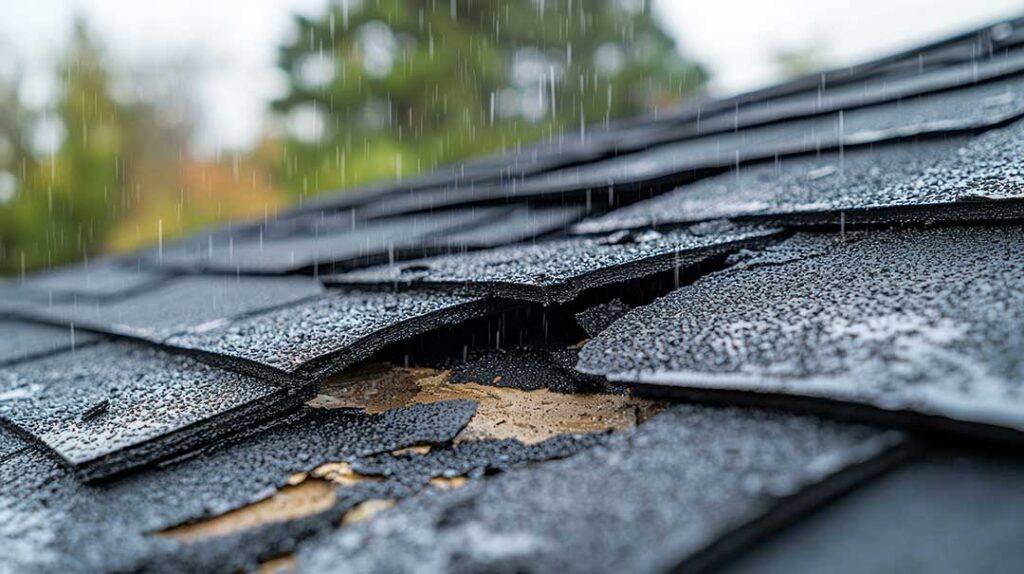
A replacement roof often provides its greatest value when the existing roof is visibly worn, leaking, patched, or close to failure. In that situation, the new roof may not create a dramatic premium, but it can prevent the property from being discounted.
For example, a buyer may view a home with a failing roof as requiring an immediate major expense. A new roof removes that concern, which can support a stronger offer or reduce requests for a seller credit.
Why does roof condition matter so much to buyers?
Roof problems can affect more than shingles. Water intrusion may damage roof decking, insulation, ceilings, wall cavities, trim, and personal property. Some damage is not obvious during a casual walk-through.
Buyers also understand that roofing work can be disruptive and difficult to budget. If a roof appears likely to need replacement soon, buyers may account for the cost, uncertainty, and inconvenience in their offer.
A newer roof can signal that one of the home’s most important protective systems has recently been addressed. That does not guarantee a higher price, but it may reduce hesitation during showings, inspections, and negotiations.
A roof is especially influential when:
- The rest of the property is well maintained
- The roof is visible from the street
- The home is being compared with similar properties
- The old roof has active leaks or extensive patching
- The buyer is using a mortgage or insurance review
- The property has evidence of past water damage
How does the local climate affect roof value?
Seasonal weather in the area makes roof condition a practical concern rather than a purely cosmetic issue. Homes must manage snow, ice, wind, heavy rain, freezing temperatures, and repeated freeze-thaw cycles.
Freeze-thaw conditions can expose weak points around flashing, valleys, chimneys, vents, and roof edges. Ice buildup can also contribute to water backing up beneath roofing materials when drainage and ventilation are not working properly.
A replacement roof may offer more value when it includes attention to the entire roofing system, including:
- Proper underlayment
- Sound flashing around penetrations
- Adequate attic ventilation
- Durable drip edges
- Securely installed edge materials
- Proper drainage through gutters and downspouts
- Replacement of deteriorated roof decking where necessary
The visible roofing material matters, but the less visible components often determine how well the roof performs during difficult weather.
Does a new roof help with an appraisal?
It can, although appraisers do not usually add the full replacement cost directly to a home’s value. An appraisal considers the property as a whole and compares it with similar homes that have recently sold.
A new roof may support value by placing the home in a better condition category. It may also make the property compare more favorably with another home that has similar size, location, and features but an older roof.
Documentation can help an appraiser understand the work. Useful records may include:
- The date of installation
- Roofing material and product information
- Written scope of work
- Permit records, if applicable
- Transferable warranties, if available
- Photographs taken before concealed work was covered
- Receipts for related repairs
Records do not guarantee a higher appraisal, but they reduce uncertainty. They can also help future owners understand what was installed and when.
Which roofing improvements add the most value?
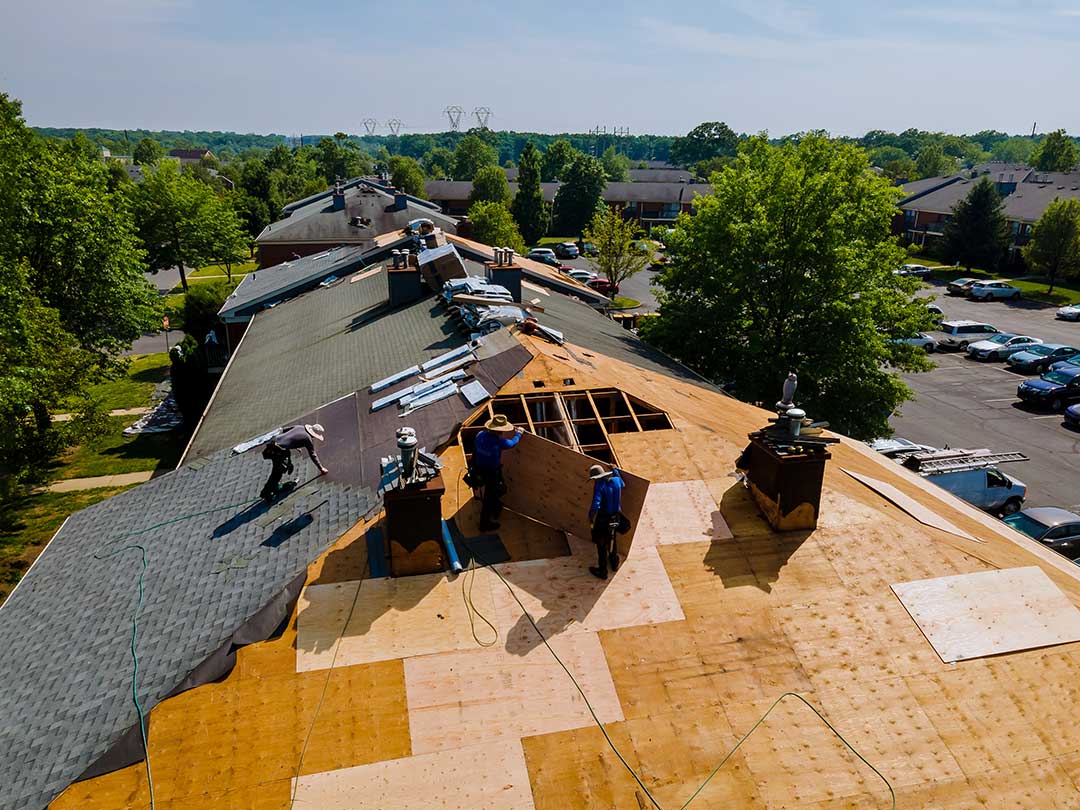
The most valuable improvements are usually the ones that solve real performance problems and provide a reasonable service life. Appearance matters, but durability and installation quality generally matter more.
Replacing damaged decking, correcting flashing, improving ventilation, and addressing drainage problems can be more valuable than choosing a premium color or decorative feature. A visually attractive roof that still has poor drainage or inadequate flashing may not provide the expected benefit.
Material choice should fit the home, the roof design, local weather, and neighborhood expectations. An unusually expensive material may not add proportional value if nearby homes use more common roofing systems or if the roof structure requires costly modifications.
A practical replacement generally balances:
- Expected service life
- Resistance to local weather
- Compatibility with the existing structure
- Maintenance requirements
- Appearance appropriate to the home
- Total installed cost
- Availability of documentation
Can a new roof help a home sell faster?
A new roof may shorten the time needed to reach an agreement, especially when buyers are concerned about immediate repairs. It can make the property easier to present because the roof is not an obvious source of deferred maintenance.
However, a new roof cannot compensate for every other issue. A home with outdated electrical work, foundation concerns, poor drainage, or significant interior deterioration may still face buyer objections.
Roof replacement tends to have the strongest effect when it removes a major negative factor from an otherwise reasonably maintained home. It is less likely to create a large advantage when the property needs extensive work in several other areas.
Should a homeowner replace the roof before selling?
The answer depends on timing, condition, budget, and the likely expectations of the local market. Replacement may be sensible when the roof is leaking, visibly failing, or likely to create inspection or insurance complications.
A homeowner may choose not to replace it when the roof still has useful life and the cost would be difficult to recover. In that case, accurate disclosure and realistic pricing may be more appropriate than installing a new roof solely for appearance.
Before making the decision, consider:
- Whether leaks are active or recurring
- Whether the roof has been repaired repeatedly
- Whether attic or ceiling damage is present
- How soon the home may be sold
- Whether financing or insurance requirements could affect the transaction
- Whether other repairs would produce greater value
- Whether permits or local requirements apply to the work
The right choice is not always the most expensive replacement. The goal is to address actual risk and present the home honestly.
How should homeowners protect the value of a new roof?
A new roof retains more of its value when it is maintained and documented. Gutters should remain clear, attic moisture should be monitored, and damaged flashing or roof accessories should not be ignored.
After major storms, a visual check from the ground can identify missing materials, displaced components, or unusual water runoff. Walking on the roof without proper training can create safety risks and cause damage.
Keep all roofing records with other home documents. Future buyers, inspectors, appraisers, and insurers may need clear information about the installation and any related repairs.
For households in Corning, a roof is both a visible feature and a primary defense against changing seasonal conditions. Its effect on home value is usually strongest when it demonstrates reliable protection, reduces foreseeable maintenance, and fits the condition and expectations of the property as a whole.
