
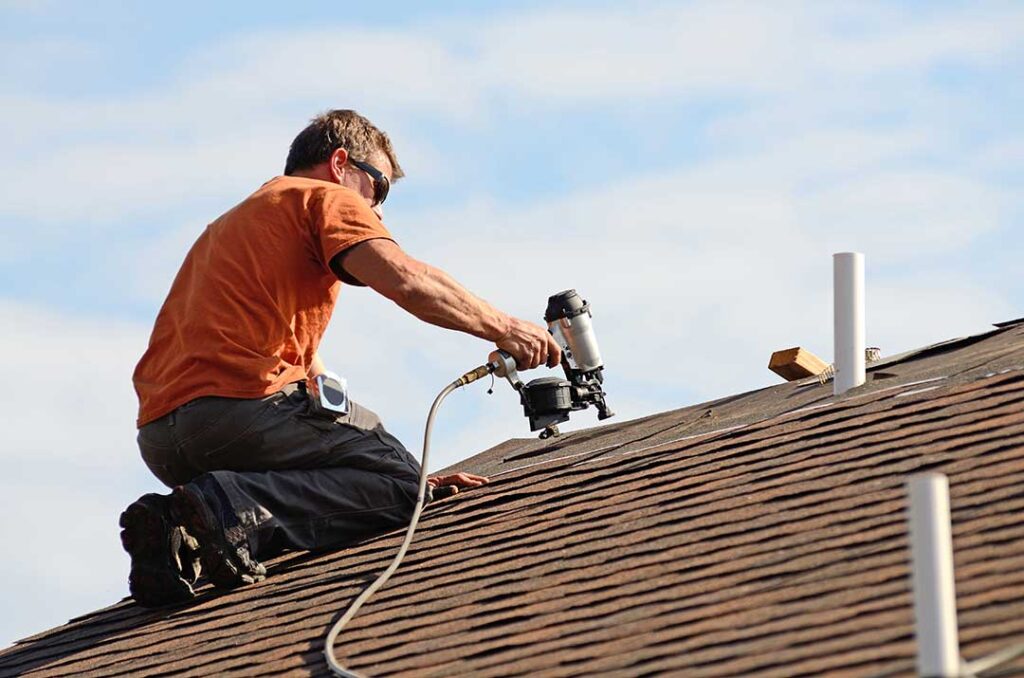
How Does Wind Damage Roofs in Corning, NY?
Severe winds can damage roofs by prying up shingles, bending or breaking flashing, and causing debris impacts. In Corning, NY, seasonal thunderstorms and winter storms can bring powerful gusts, especially in exposed or hilltop neighborhoods.
Wind finds weak spots—loosened shingles, old flashing, or poorly fastened gutters. As gusts lift shingle edges, water can seep underneath, eventually damaging insulation, wood, and ceilings. In some areas, wind-tossed branches or debris can strike roofs, leaving punctures or scrapes behind.
Homes on open lots or near cleared farmland tend to feel stronger effects than those shielded by dense trees or other buildings. Even small wind events over time can worsen preexisting issues, allowing water infiltration or insulation loss to go unnoticed until leaks appear inside.
What Type of Roof Damage Is Most Common After Strong Winds?
The most frequent problems after strong winds include shingle loss, displaced flashing, creased or curled shingles, gutter detachment, and buildup of debris in roof valleys. Occasionally, entire roof sections may lift—especially on older structures or those with outdated fasteners.
Common indicators of wind damage:
- Missing or askew shingles, particularly along roof edges or ridges
- Granule loss, which makes shingles look patchy or bare
- Bent or missing metal flashing around chimneys, vents, skylights, or edges
- New leaks or dampness in attic spaces after storms
- Twisted or broken gutters and downspouts
Neglecting these early signs can allow water to seep through, leading to mold or rot inside the insulation and rafters.
Are Some Roof Materials More Vulnerable Than Others?
Yes, certain roof coverings are more at risk in Corning’s climate. Three-tab asphalt shingles, frequently installed on older homes, tend to peel up or tear during high winds. Modern architectural shingles and metal roofing are generally rated higher for wind resistance.
Factors influencing vulnerability:
- Roof age: Old shingles lose flexibility and adhesive strength.
- Roof pitch: Flatter roofs may catch stronger upward wind forces.
- Installation quality: Insufficient nailing or improper underlayment increases the chance of shingle failure.
While slate and heavier tiles are wind-resistant, their added weight requires a properly designed roof structure.
Can the Position and Surroundings of a Home Affect Wind Risk?
A home’s location, roof shape, and landscaping all alter how wind impacts a roof.
Locally, homes situated on exposed ridges, near valleys channeling wind, or beside cleared tracts may experience stronger gusts. Tall trees or dense fencing may offer some protection, though falling limbs in severe weather can present their own hazards.
Older housing stock with steeper roof pitches or minimal overhangs can see more edge uplift, while newer construction may have features designed to limit wind intrusion. Multi-story buildings are typically more exposed at upper levels.
What Should Residents Look For After a Major Wind Event?
A quick, cautious inspection from the ground or upper story windows can help spot obvious problems.
Look for:
- Areas where shingle lines appear uneven or irregular
- Debris lodged in valleys or against chimneys and vents
- Misaligned, loose, or rattling gutters
- Water stains or moisture in attic spaces or on upper interior ceilings
- Unusual noise or drafts in the attic
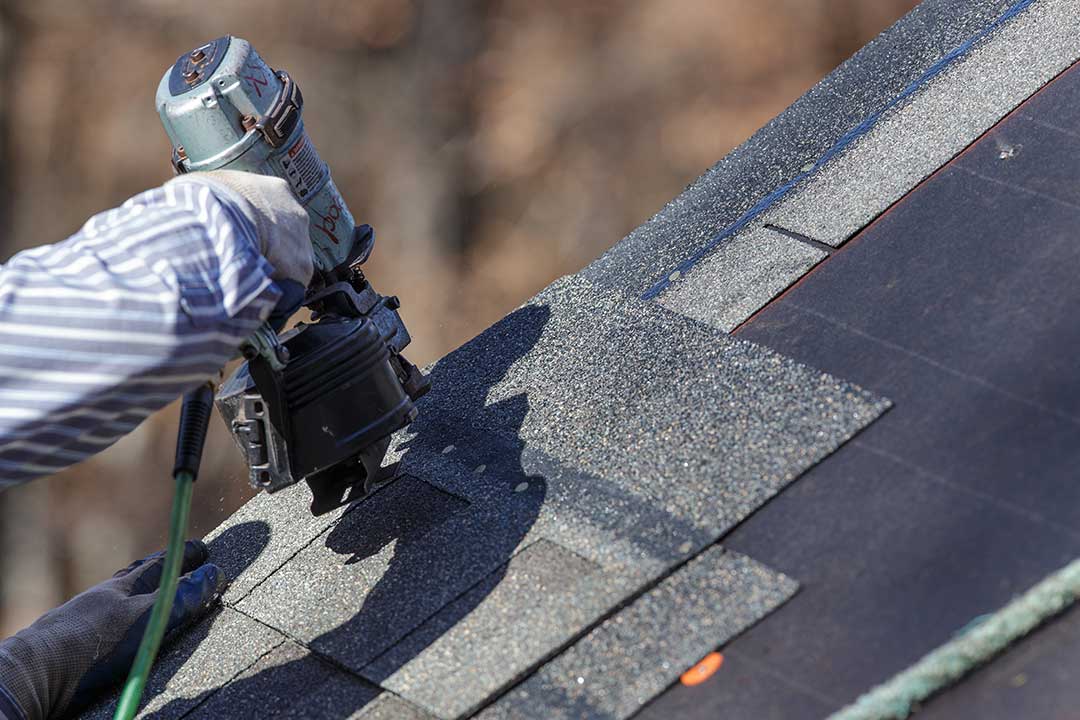
If ladder access is required or damage is extensive (such as exposed decking or large debris), limit DIY examination in favor of safety.
How Can Wind Damage Be Prevented or Minimized?
While no roof is entirely immune, there are practical ways to limit wind-related risks for area homes:
- Keep trees trimmed, especially those with overhanging branches above the roofline.
- Check that attic ventilation and insulation are sufficient and undamaged; these help prevent wind-driven rain from lingering.
- Inspect after each major weather event and promptly repair any emerging vulnerabilities, especially to shingles and flashing.
- Secure outdoor patio furniture, grills, and garbage bins during wind advisories so they don’t become airborne hazards.
Choosing wind-rated materials for repairs or replacement can help, as newer products often perform better than older roofing options under repeat wind loads.
What Are Common Misconceptions About Wind and Roofing?
Some residents assume that only tornado-like gusts cause roof problems, but steady lower-level winds over time can weaken seals, causing future leaks. Others believe that a single missing shingle is harmless, when even small gaps allow water to undermine deeper layers.
It’s also a misconception that insurance always covers wind damage; policy details and proper documentation are crucial. Routine documentation of roof condition—sometimes just with dated photos—can help support claims if severe weather strikes.
Why Is Regular Roof Maintenance Important in Areas Prone to Strong Winds?
Regular checks can catch loose shingles or nails and ensure flashing remains watertight. In Corning, freeze-thaw cycles combined with wind-driven rain create unique pressures on roofing components. Seasonal inspection—as part of general home upkeep—protects against cumulative damage and costly interior repairs.
