
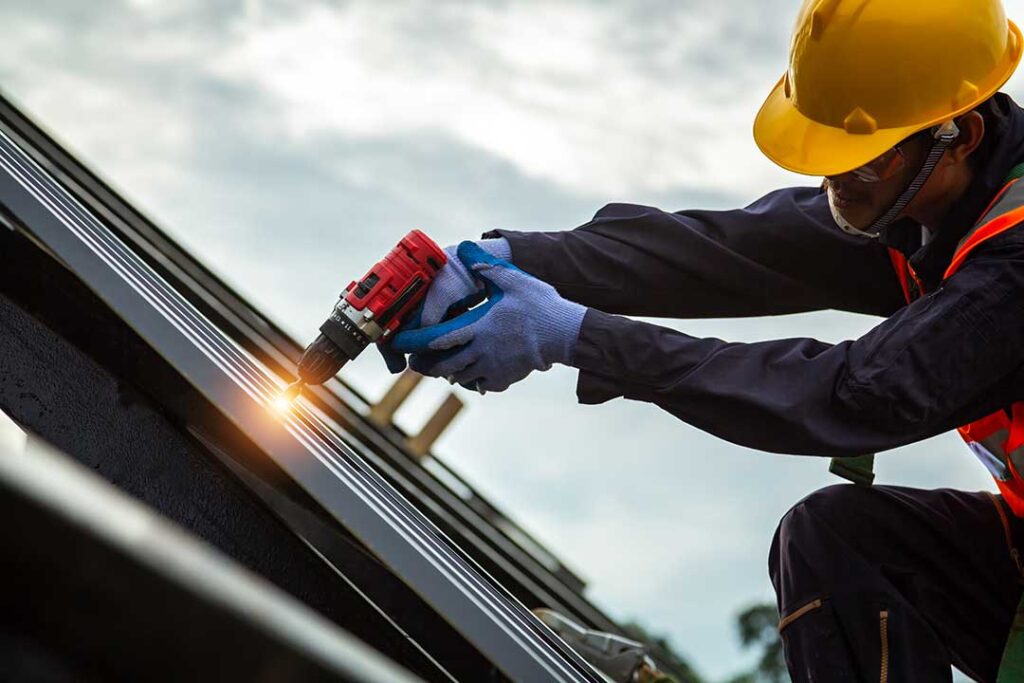
Replacing a roof is a major household expense, and many residents in Corning, NY need to spread the cost over time rather than pay the full amount at once. Common options include savings, home improvement loans, home equity financing, credit cards, insurance funds for covered damage, and assistance programs for qualifying households.
The right choice depends on the roof’s condition, the urgency of the work, the household’s credit and income, and whether the expense is planned maintenance or the result of a sudden loss.
What should be considered before choosing financing?
The first step is to understand the total project cost and the reason the roof needs replacement. A roof with minor, isolated damage may require a repair rather than full replacement, while widespread leaks, deteriorated decking, or an aging roof may justify a larger project.
Ask for a written scope of work that explains:
- Removal and disposal of the existing roofing materials
- Replacement of damaged roof decking, if needed
- Underlayment, flashing, ventilation, and ice-barrier details
- Necessary permits or inspections
- Cleanup and disposal
- Payment schedule and any finance-related fees
In the Corning area, winter weather, freeze-thaw cycles, snow, ice, and wind can expose weaknesses in roofing systems. Delaying an urgent repair may allow water intrusion to affect insulation, ceilings, framing, or electrical components. At the same time, rushing into a financing agreement without understanding the terms can create a long-term financial burden.
A useful comparison is the total cost, not just the monthly payment. A lower monthly payment may result from a longer repayment period and substantially higher interest charges.
Can savings be used for a roof replacement?
Paying from savings avoids interest, application fees, and monthly debt payments. It may be practical when the roof replacement is planned and the household can pay without exhausting its emergency reserve.
Using all available savings can create a different risk, however. Homeowners should consider keeping enough money for heating problems, medical expenses, vehicle repairs, insurance deductibles, and other emergencies. This is especially relevant in a region where winter conditions can create additional household maintenance costs.
Some households use a combination of savings and financing. For example, savings may cover the deductible, permits, or part of the project, while a smaller loan covers the remaining balance. This can reduce borrowing costs without leaving the household with no cash reserve.
How do home improvement loans work?
A home improvement loan is often an unsecured personal loan used for a specific project. Approval usually depends on factors such as credit history, income, existing debt, and the requested loan amount.
Advantages may include:
- A predictable monthly payment
- A fixed repayment period
- No lien placed on the home in many cases
- A simpler structure than borrowing against home equity
The interest rate may be higher than a secured loan because the lender does not have the home as collateral. Loan terms can vary substantially, so compare the annual percentage rate, origination fees, late-payment rules, prepayment policies, and total repayment amount.
A loan with a fixed rate can make budgeting easier. A variable-rate product may begin with a lower payment but can become more expensive if rates rise.
Is a home equity loan or line of credit appropriate?
Home equity financing uses the value built up in the home as part of the borrowing arrangement. A home equity loan generally provides a lump sum with a set repayment schedule. A home equity line of credit, often called a HELOC, allows the borrower to draw funds up to a limit, usually during an initial borrowing period.
These options may offer lower interest rates than unsecured borrowing, but they carry a serious risk: the home is used as collateral. If payments are not made as agreed, foreclosure can become a possibility.
Home equity products may also include appraisal costs, closing costs, annual fees, variable interest rates, or changes in payment amounts. A HELOC can be useful when the final project cost is uncertain, but its rate and payment may change over time.
For a roof replacement, home equity financing deserves careful review because the borrowing period can extend well beyond the useful life of the roofing materials.
Can a credit card be used to pay for a roof?
A credit card can provide immediate access to funds, but it is usually most suitable only when the balance can be paid quickly or the interest rate is unusually favorable. Standard credit card interest can make a large roofing expense expensive over time.
Before using a card, check:
- The regular interest rate after any introductory period
- The length and conditions of promotional financing
- Whether deferred interest applies
- The minimum monthly payment
- How the new balance affects credit utilization
Promotional offers can be misunderstood. A plan advertised as “no interest if paid in full” may charge accumulated interest if the balance is not fully paid by the deadline. The terms should be reviewed in writing rather than relying only on a verbal explanation.
Will homeowners insurance pay for a new roof?
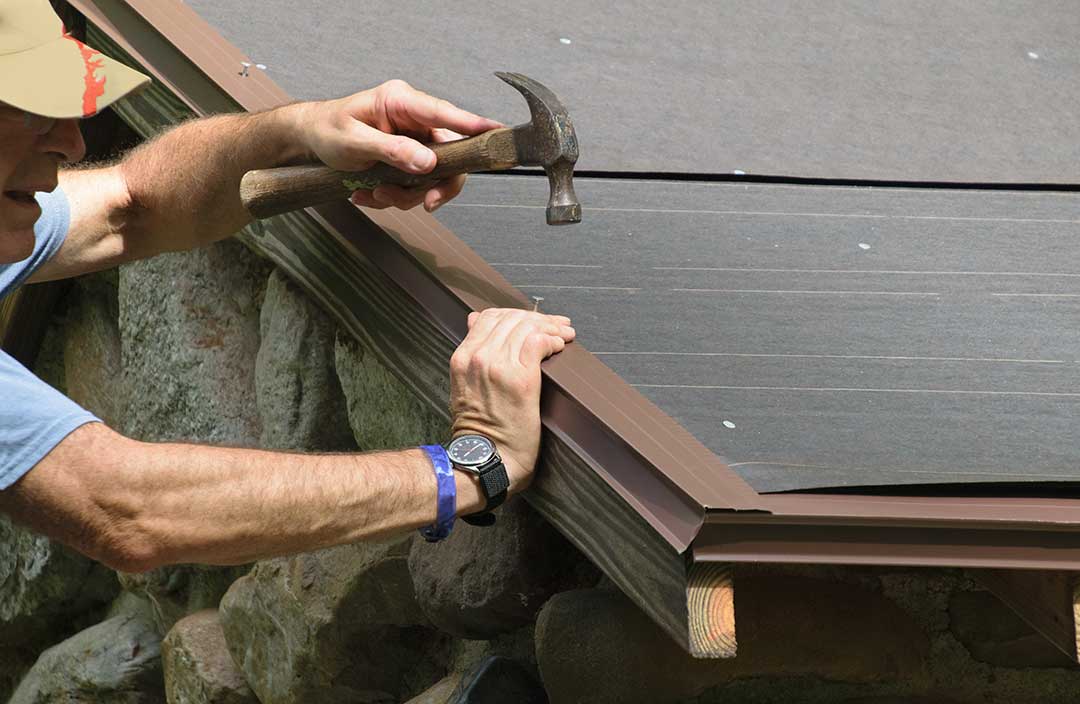
Homeowners insurance generally does not pay to replace a roof solely because it is old or worn out. Coverage is more likely when the damage results from a covered event, such as certain wind, hail, or falling-object losses, subject to the policy’s exclusions, limits, and deductible.
Insurance may not cover:
- Normal aging
- Poor maintenance
- Gradual deterioration
- Mold or rot caused by long-term leaks
- Damage excluded by the policy
Before financing an insurance-related repair, document the damage with photographs and keep records of temporary measures, receipts, inspection findings, and communications with the insurer. Do not assume that an insurance claim will be approved or that the approved amount will cover every part of the project.
The policy may also use different settlement methods for older roofs, including depreciation calculations. Understanding the deductible and claim payment structure helps prevent an unexpected balance.
Are government or local assistance programs available?
Some public and nonprofit programs may offer loans, grants, or repair assistance for qualifying homeowners, particularly older adults, households with limited income, or properties needing health and safety improvements. Eligibility can depend on income, occupancy, property location, household size, and the type of work required.
Programs change over time, may have limited funding, and often require documentation. Residents should verify current requirements through official public sources and carefully distinguish legitimate assistance from unsolicited offers promising guaranteed approval.
Assistance may be limited to urgent repairs, accessibility improvements, or basic habitability issues rather than a full roof replacement. It may also require the homeowner to remain in the property for a specific period.
What financing warning signs should homeowners watch for?
A financing arrangement deserves extra caution if it includes unclear pricing, pressure to sign immediately, blank contract sections, unusually large upfront payments, or promises that insurance will cover everything.
Be wary of agreements that:
- Focus only on a very low monthly payment
- Do not clearly state the total price
- Include an adjustable rate without explaining payment changes
- Charge a penalty for paying early
- Require borrowing more than the project needs
- Combine roofing work with unrelated home improvements
The person arranging the work and the company providing the financing may be separate entities. Read both agreements, confirm who receives payments, and keep copies of every document.
How can the total cost be reduced without sacrificing necessary work?
A roof can sometimes be made more affordable by comparing the scope carefully rather than automatically choosing the lowest bid. Ask whether the proposal includes ventilation, flashing, underlayment, ice protection, decking allowances, and cleanup. A price that leaves out necessary components may not be a true comparison.
Timing can also affect affordability. Emergency replacement after interior damage may leave fewer financing choices than planned work completed before leaks become severe. Setting aside money for future replacement, inspecting the attic periodically, and addressing small maintenance issues can reduce the chance of needing high-cost emergency borrowing.
The most manageable financing plan is usually the one that covers necessary work, preserves a reasonable emergency reserve, clearly states the total repayment amount, and fits comfortably within the household budget during both summer and winter expenses.
