
What Is Roof Decking and Why Does It Matter?
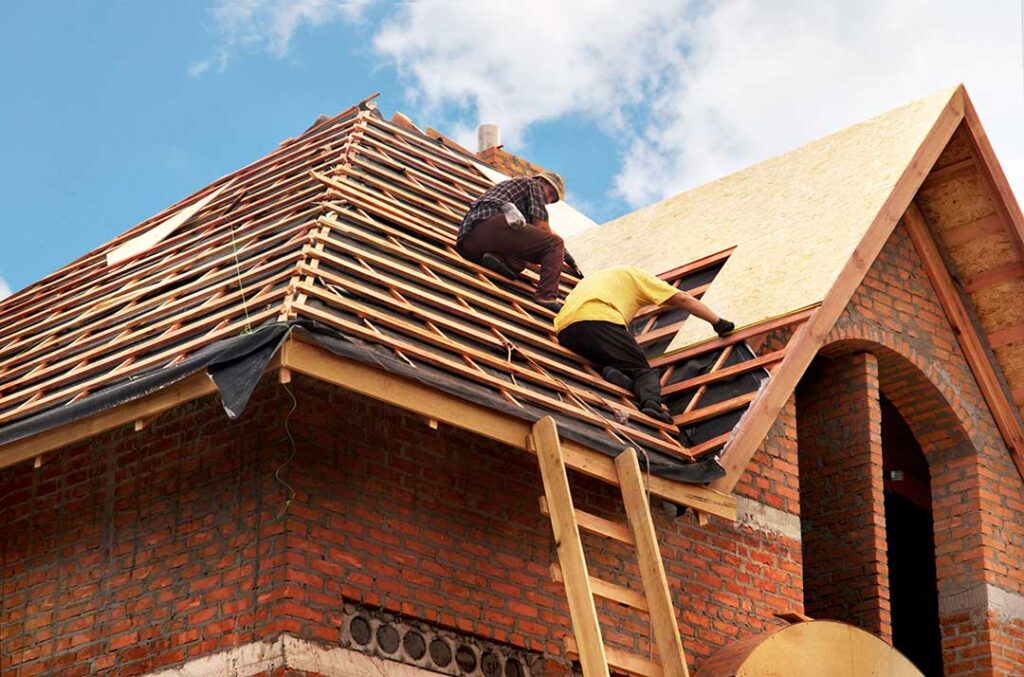
Roof decking, also known as sheathing, is the flat surface beneath a home's roofing material. It’s typically made from wood boards, plywood, or oriented strand board (OSB). In Corning, NY, the roof deck forms the structural base for the entire roofing system, supporting shingles, underlayment, and anything else above. Its condition plays a big role in determining the roof’s lifespan, safety, and ability to withstand the area’s variable weather.
Many residents might not realize that issues with the decking can’t always be seen from the attic or the street. Problems often come to light only during roof replacement or major repairs.
What Materials Are Used for Roof Decking in This Area?
In the city, most homes use plywood or OSB for roof decking. Older homes may have plank decking—individual wooden boards nailed side by side. Each material has advantages and drawbacks:
- Plywood is known for its strength and resistance to warping.
- OSB tends to be more affordable and uniform but can be less forgiving if water is present.
- Plank decking is sometimes found in historic homes and requires careful inspection.
Modern building codes in this region require a minimum decking thickness to handle heavy snow loads. Using a material not rated for the Northeast’s freeze-thaw cycles or moisture levels can lead to early deterioration.
How Can Local Weather Affect Roof Decking?
Corning sees significant snowfall, dramatic temperature changes, and periods of heavy rain. These conditions can challenge the integrity of roof decking. If moisture infiltrates the shingles or flashing, it can seep into the deck, causing wood to swell, rot, or delaminate.
Homes with insufficient attic ventilation are especially vulnerable. Trapped humidity can condense on the underside of decking during cold winters, encouraging mold growth or wood decay over time.
Locally, the freeze-thaw cycle is a major concern. If water enters even a small decking crack and freezes, it expands, further damaging the wood.
What Are Signs That Roof Decking Needs Attention?
Certain signs suggest a decking problem, but many are only found during professional roof work. However, homeowners can sometimes spot trouble early:
- Sagging areas in the roofline
- Soft or spongy spots when walking on the roof (not recommended for safety reasons)
- Water stains or discoloration on ceiling interiors, especially after snow melts or heavy rain
- Musty smells or visible mold in the attic
- Uneven or curling shingles
It’s a misconception that a leaky roof only damages the surface. Water almost always affects the decking beneath before moving further into the house.
Why Is Proper Decking Repair or Replacement Essential?
Reusing damaged or rotted decking jeopardizes the new roof above it. Shingles may not seal correctly, leading to leaks, blow-offs during windstorms, and shortened shingle life. In Corning, code inspectors will also check decking during permitted roof replacements, requiring repairs if it does not meet safety standards.
Neglecting to fix impaired decking can void shingle manufacturers’ warranties. This is especially important in a part of the country known for harsh winter conditions.
Can Roof Decking Be Inspected Without Removing Roofing Materials?
Some conditions can be evaluated from within the attic, such as checking for moisture, mold, or visible wood damage. However, it is impossible to inspect every square foot unless the roof covering is removed. Partial inspections can miss critical trouble spots, especially where ice dams have occurred.
Building codes in Corning require that any suspect sheathing be fully replaced during a reroof. It’s not uncommon for installers to find hidden decking decay during these projects, even if attic and interior inspections looked fine beforehand.
What Are the Most Common Decking Issues in Corning?
Residents encounter a few recurring problems tied to the region’s weather and housing stock:
- Rot: Often due to years of minor leaks or chronic ventilation issues.
- Delamination: Most frequently in OSB, where water has caused layers to separate.
- Insufficient thickness or gaps: Especially on older homes built before current codes.
- Warped planks: Leading to uneven roofing surfaces and potential shingle damage.
Area homeowners sometimes mistakenly patch over bad decking or ignore small leaks, only to face major repairs later.
How Does Roof Decking Relate to Energy Efficiency?
A properly installed and maintained deck helps prevent heat loss. Gaps, rot, or saturated areas can provide paths for heat to escape or for cold air and moisture to enter the attic. This contributes to higher heating traces in winter or even ice dams, a frequent concern for local households.
Combining good decking with adequate attic insulation and ventilation makes a real difference during the winter’s coldest months.
What Should Residents Prioritize for Long-Term Deck Performance?
Specific practices help ensure the decking lasts and that the roof stays in good condition:
- Address roof leaks as soon as they appear.
- Keep gutter systems clear to minimize water backup in heavy rains.
- Ensure attic spaces are properly ventilated and insulated.
- Use materials that meet or exceed the area’s snow load requirements.
- Have roofs inspected after major weather events or before a full replacement.
By staying informed and proactive, local homeowners can avoid many of the most costly roofing issues related to decking.
