
Why Do Moss and Algae Grow on Roofs in Corning, NY?
Moss and algae find ideal growing conditions in the mix of moisture, shade, and organic debris common to many neighborhoods in Corning, NY. Roofs shaded by mature trees or positioned on the north side of a home tend to develop visible greenish or blackish patches over time, especially in the damp spring and fall months.
Humid summers and freezing winters add complexity to the issue: moisture lingers longer in shaded or poorly drained areas, then cycles through freeze-thaw, gradually damaging roofing materials. Moss holds moisture against roof surfaces, while algae produce streaks and stains, both often causing cosmetic and, sometimes, functional problems for homeowners.
Is Moss or Algae a Serious Problem for Local Roofs?
Both moss and algae are surprisingly persistent, but their impact can vary:
- Moss—left unchecked—can lift shingles, trap moisture, and encourage rot in wood-based materials. This raises the risk of leaks, especially for older homes typical in Corning.
- Algae usually cause black stains or streaks on roofs. While this may not directly break down roofing material, it affects home appearance and, in some cases, reduces energy efficiency by absorbing more heat.
- Both can shorten roof lifespan if not addressed regularly.
Area households should be aware that moss and algae thrive quietly, often starting in small patches in places that are hard to notice from the ground.
What’s the Safest Way to Remove Moss and Algae From a Roof?
The safest method starts with prevention and careful, gentle cleaning. For most homes in Corning, tackling the problem early prevents bigger repairs down the line.
For Light Growth:
- Use a soft-bristle brush attached to a long pole. Gently brush downward along the shingle, never upwards or with significant pressure, to avoid causing damage.
Washing Techniques:
- Avoid pressure washers. Powerful streams can loosen shingles or force water underneath, particularly on older roofs.
- A mixture of water and a small amount of oxygen bleach (not chlorine bleach, which can harm plants and corrode metals) applied with a pump sprayer is generally safe for asphalt shingles. Allow the solution to sit for 15-20 minutes, then gently rinse (not spray) with a garden hose.
Precautions:
- Always work on a dry, cool day to minimize slips.
- Protect nearby landscaping by saturating plants with water before and after cleaning.
- Use ladders with care and, if the roof is steep or very high, consider safety harnesses.
Can Roof Moss and Algae Be Prevented in the Corning Climate?
Routine care makes the greatest difference. Corning’s tree-lined streets and frequent precipitation make prevention an ongoing, but manageable, effort.
Best local prevention steps include:
- Trimming tree branches to increase sunlight and airflow over the roof surface,
- Cleaning gutters regularly, especially after autumn leaf drop, to prevent excess moisture buildup,
- Removing organic debris (leaves, twigs, seed pods) from the roof twice a year—debris offers a foothold for moss to start,
- Redirecting downspouts to ensure water moves away from the foundation and shaded roof areas.
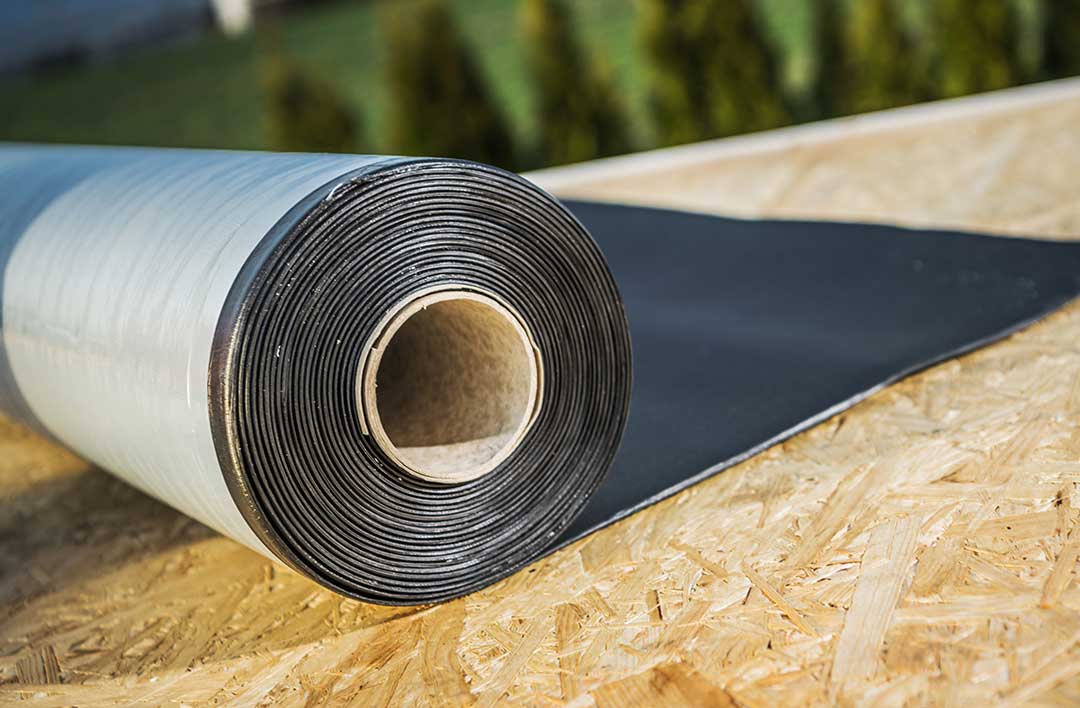
Some homeowners opt for specialty roofing materials or shingles with copper or zinc granules, which inhibit growth. These are often used when replacing a roof rather than as a retrofit.
Are Chemical Treatments Safe to Use in Corning?
Mild, environmentally neutral cleaners provide adequate control for most residential roofs when used responsibly. Oxygen bleach is effective and breaks down safely without harming pets or garden plants. Harsh chemicals, such as chlorine bleach or commercial formulations with high concentrations of zinc or copper sulfate, may damage siding, paint, and landscaping.
A misconception is that "the stronger the chemical, the quicker the fix." In truth, overly aggressive products can create runoff that leaches into storm drains and may be a concern for the Chemung River and other local watersheds. For recurring moss on older roofing, non-chemical approaches—like increasing airflow and reducing overhanging shade—are safer long-term strategies.
What Mistakes Should Be Avoided?
Several common missteps can create new problems:
- Scraping or power-washing aggressively, which often shortens shingle life and risks immediate leaks
- Using household bleach, which damages vegetation and certain roof materials
- Ignoring moss and algae because they're "just cosmetic"—even light growth can signal persistent moisture that may lead to deeper issues, like wood rot
It's helpful to check attic spaces beneath affected areas for any signs of water stains or mildew, signaling a hidden leak.
How Often Should Roofs Be Checked for Growth?
Visual inspections every spring and fall match local weather patterns and help ensure that any problem is caught before it spreads. During these checks:
- Look for patches of green, black streaks, or fuzzy coatings
- Pay attention to the shaded and north-facing sides
- Check flashing, gutters, and valleys where moisture collects
If moss or algae return quickly after cleaning, this usually signals conditions such as poor sun exposure, persistently clogged gutters, or nearby tree coverage that may need adjustment.
When Is Professional Help Required?
Most area homeowners manage light growth safely with seasonal care. However, roofs with steep pitches, significant deterioration, or extensive moss mats can pose safety risks during cleaning. In these cases, the hazards of falling, structural damage, or unaddressed leaks may outweigh the benefits of DIY approaches. If structural issues are suspected—such as spongy decking or visible sagging—a formal roof inspection may be necessary to prevent injury or further damage.
