
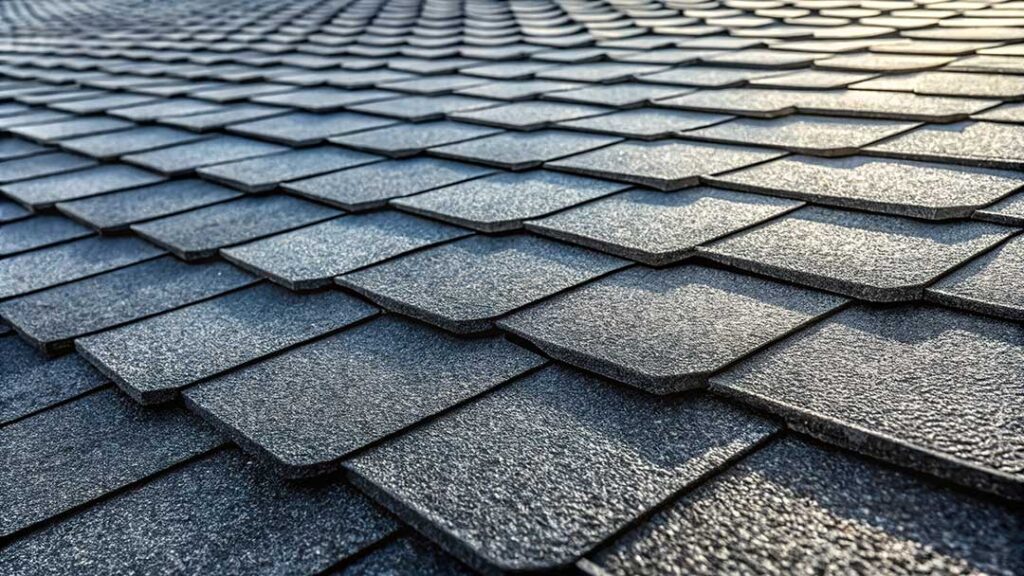
Replacing only part of a shingle roof can be less disruptive and less expensive than replacing the entire roof, but finding a close match is not always straightforward. In Corning, NY, differences in weathering, snow exposure, and product age can make new shingles look noticeably different from the existing roof even when the color name appears identical.
Can replacement shingles be matched exactly?
Usually, no. A replacement shingle can often be matched closely, but an exact visual match is uncommon once the original roof has aged.
Shingles change appearance through:
- Sun exposure and ultraviolet light
- Rain, snow, and ice
- Dirt, pollen, moss, and airborne particles
- Natural color variation between manufacturing batches
- Changes in shingle design over time
- Fading or staining caused by nearby trees and roof runoff
A new shingle may look darker, cleaner, or more textured than the surrounding roof. Even shingles from the same manufacturer and color family can appear different when one group has been exposed for several years.
The goal is generally a reasonable blend rather than a perfect match.
What information is needed before searching for a match?
The most useful starting point is identifying the existing shingle as accurately as possible. Look for leftover bundles, installation records, invoices, warranty paperwork, or markings on shingles stored in a garage or shed.
Useful details include:
- Manufacturer
- Product line or style
- Color name
- Approximate installation year
- Shingle dimensions and shape
- Whether the shingle is architectural or three-tab
- Any visible pattern, shadow line, or surface texture
A roof may use architectural shingles, traditional three-tab shingles, specialty impact-resistant products, or other formats. Shingles that seem similar from the ground may not fit together correctly if their dimensions, exposure, or locking pattern differ.
If no records remain, a loose shingle from a roof edge, rake, or repair area may provide better identification than a photograph. A sample should be handled carefully because older shingles can crack when lifted.
Why is the shingle color alone not enough?
Color is only one part of a visual match. Two shingles with similar brown, gray, or weathered tones can still look different because of their granule blend, shadow pattern, or surface profile.
Pay attention to:
- Base color
- Light and dark granule distribution
- Color variation across each tab or shingle
- Shadow lines between courses
- Thickness and dimensional appearance
- The amount of exposed shingle surface
- Color changes caused by roof slope and lighting
A sample viewed in a store, garage, or shaded area may not look the same as it does on a sunlit roof. Comparing samples outdoors under different lighting conditions can reveal differences that are easy to miss indoors.
The roof’s slope also affects appearance. A steep section may show more of the shingle surface, while a lower-slope section may show more shadow and less color.
How can an older roof be matched more accurately?
A small sample from the existing roof should be compared with several current samples rather than relying on memory or a color label.
A practical comparison process includes:
1. Identify the existing shingle style and approximate age.
2. Photograph the roof in natural light without filters.
3. Compare samples near the area that needs repair.
4. Check the match from the ground and from a distance.
5. Look at the roof at different times of day.
6. Compare texture, dimensions, and pattern—not just color.
7. Confirm that the replacement product is approved for the existing roof system.
Photos can help with initial identification, but they may distort color because of camera settings, cloud cover, and reflections. A physical sample is more reliable.
For a small repair, placing the replacement shingles in a less visible area may reduce the appearance of a mismatch. This does not make an imperfect match invisible, but it can make the repaired area less noticeable.
Can shingles from different manufacturers be installed together?
They may physically overlap, but combining different products is often a poor match and can create installation problems. Manufacturers may use different shingle lengths, exposure dimensions, sealant locations, and installation instructions.
Mixing products can result in:
- Uneven courses
- Misaligned edges
- Visible texture differences
- Poorly placed fasteners
- Inconsistent wind resistance
- Sealant strips that do not line up correctly
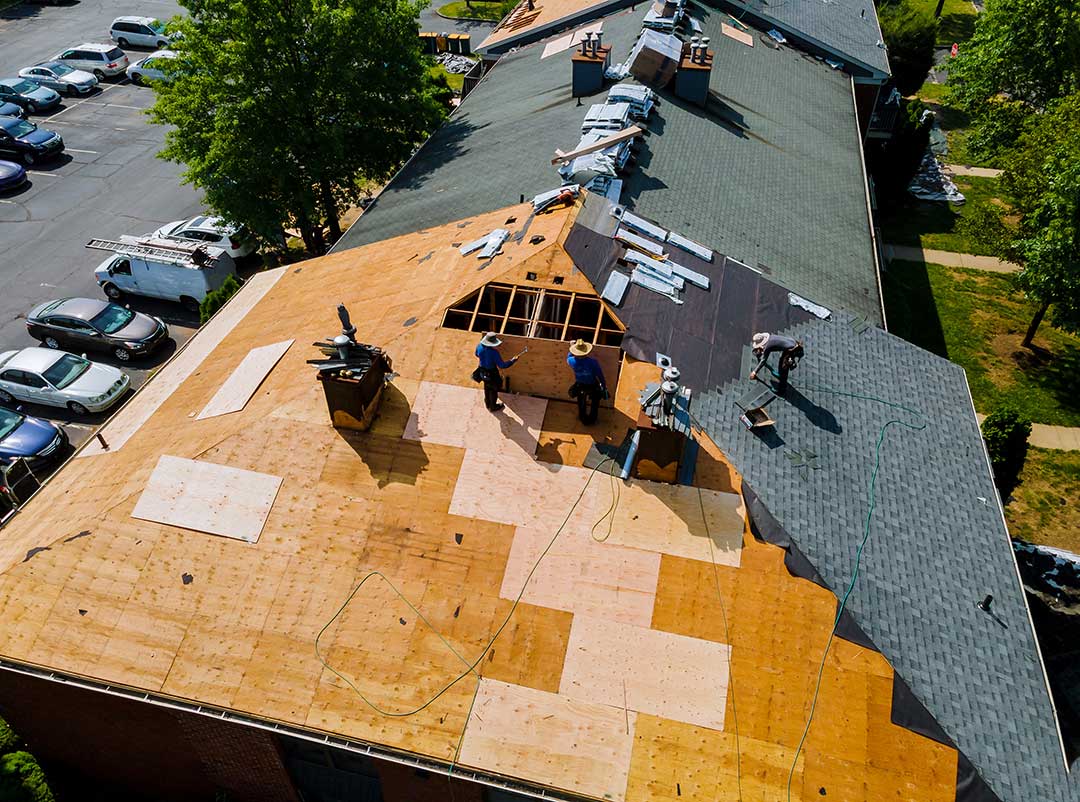
A compatible replacement should match the existing shingle’s size, profile, exposure, and fastening requirements. If the original product is discontinued, a roofing system may require a larger repair area so the new shingles can be integrated more evenly.
What if the original shingle has been discontinued?
Discontinued shingles are common, especially on roofs that are more than a decade old. A similar current product may be available, but “similar” does not necessarily mean visually identical.
When the original is no longer made, compare:
- Shingle profile and thickness
- Tab or laminated pattern
- Color blend
- Granule size
- Required exposure
- Wind and weather ratings
- Compatibility with existing underlayment and flashing
A repair using a slightly different shingle may be acceptable for a small, less visible area. If the mismatch is substantial or damage covers a broad section, replacing an entire roof plane may provide a more consistent appearance than scattering new shingles across an older surface.
Does roof age affect whether matching is practical?
Yes. Matching becomes more difficult as the roof ages.
If the roof is near the end of its expected service life, a small repair may solve an immediate leak without restoring the roof’s overall condition. Older shingles may also have brittle edges, weakened sealant strips, and granule loss. Removing neighboring shingles can cause additional damage.
For a relatively young roof with isolated damage, a careful replacement may blend well. For an older roof with widespread wear, curling, cracking, missing granules, or repeated leaks, appearance is only one part of the decision.
How do Corning weather conditions affect shingle matching?
Seasonal weather can change both the appearance and condition of roofing materials. The area experiences winter snow, freezing temperatures, ice, spring moisture, summer sun, and repeated freeze-thaw cycles. These conditions can fade shingles, loosen granules, and make older materials more brittle.
Cold weather also affects installation. Asphalt shingles rely partly on solar warmth to activate their self-sealing strips. During cool conditions, replacement shingles may need additional care to ensure they seal properly according to the product instructions.
Snow and ice can hide color differences temporarily, while wet shingles often appear darker than dry ones. A comparison made immediately after rain or during an overcast winter day may not represent the roof’s usual appearance.
Is a color mismatch a structural problem?
Not necessarily. A visible color difference is usually cosmetic, while an installation mismatch can affect performance.
The more serious concerns are whether the replacement shingles:
- Fit the existing layout
- Can be fastened correctly
- Seal properly
- Shed water as intended
- Work with nearby flashing and ventilation details
- Meet applicable building requirements
A close color match is desirable, but proper installation, water-shedding, and compatibility matter more than appearance alone. Repairs involving steep slopes, unstable surfaces, ice damage, or hidden structural deterioration may create genuine safety risks and require qualified assistance.
What is the most practical approach?
Begin with identification, not color selection. Confirm the shingle type, dimensions, age, and installation pattern before comparing appearance.
For a minor repair, the most reliable approach is to use a physically similar product, compare samples in natural light, and place the repair where it will blend as naturally as possible. For larger areas or discontinued materials, consider whether a broader section needs replacement to avoid scattered patches and uneven aging.
A good match is not simply the shingle that looks closest in a sample book. It is the product that fits the existing roof system, can be installed correctly, and produces a reasonable visual transition under the changing light and seasonal conditions common in the local community.
